Indonesia sorts cigarettes by two questions: how they are made and whether they contain clove. SKM (sigaret kretek mesin) is a machine-made clove cigarette. SKT (sigaret kretek tangan) is a hand-rolled clove cigarette. SPM (sigaret putih mesin) is a machine-made white cigarette with no clove, and SPT (sigaret putih tangan) is its hand-rolled counterpart. These abbreviations come from the Ministry of Finance excise rules, so they decide more than a product description. They set a product’s excise class, its minimum retail price and where a brand sits in the market.
This guide explains each type, how kretek differs from white cigarettes, why the Ministry of Finance treats the types differently, and what the split means for a brand owner or importer sourcing white cigarettes. General Tobacco Karachi manufactures white cigarettes only. We do not make kretek.
The Main Indonesian Cigarette Types at a Glance
| Type | Full name | Made by | Contains clove | Filter |
|---|---|---|---|---|
| SKM | Sigaret Kretek Mesin | Machine | Yes | Yes |
| SKT | Sigaret Kretek Tangan | Hand | Yes | Usually no (SKTF is the filtered version) |
| SPM | Sigaret Putih Mesin | Machine | No | Yes |
| SPT | Sigaret Putih Tangan | Hand | No | Usually no (SPTF is the filtered version) |
The excise schedule lists further categories, including the filtered hand-rolled variants SKTF and SPTF, kelembak kemenyan cigarettes (KLM), corn husk cigarettes (klobot), sliced tobacco and cigars. The four types above cover what most people mean by Indonesian cigarette types.
Kretek vs White Cigarettes
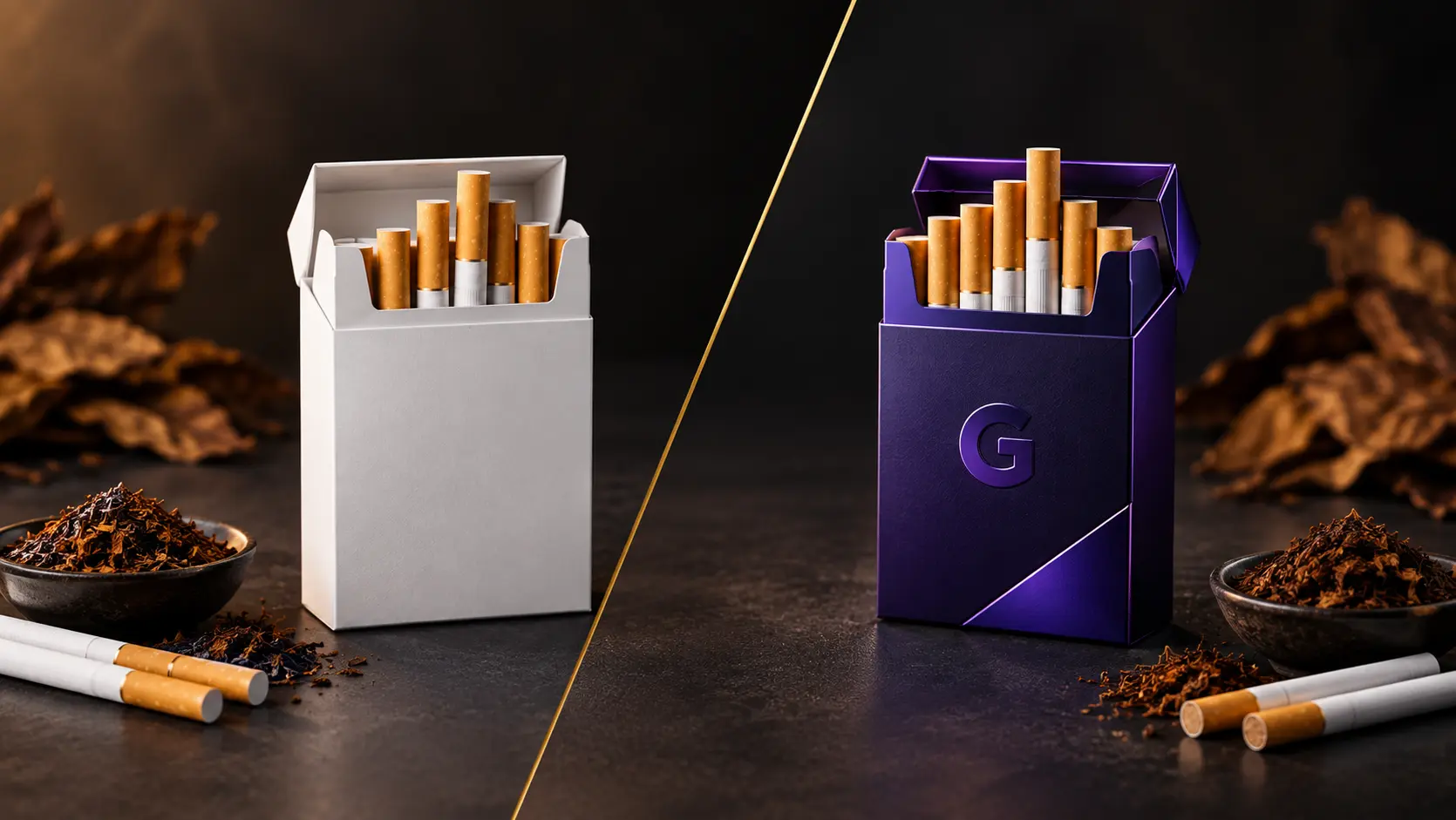
Kretek is an Indonesian style of cigarette made from a blend of tobacco, cloves and other flavourings. A white cigarette, called rokok putih in Indonesia, is the conventional format found in most other countries: tobacco without clove. The two categories are separate in law, in manufacturing and in the market.
Hand-rolled kretek (SKT) has been made in Indonesia since the late 1800s. Machine-made kretek (SKM) entered production in the mid 1970s and went on to overtake white cigarettes as the most popular product in the country. Kretek remains the dominant category today, which is why white cigarettes are treated as a specialist segment rather than the default.
The clove is also the reason the Ministry of Finance treats the categories differently. Cloves are grown in Indonesia, so kretek carries more local content than a white cigarette. We return to this in the excise section below.
How Each Type Is Made
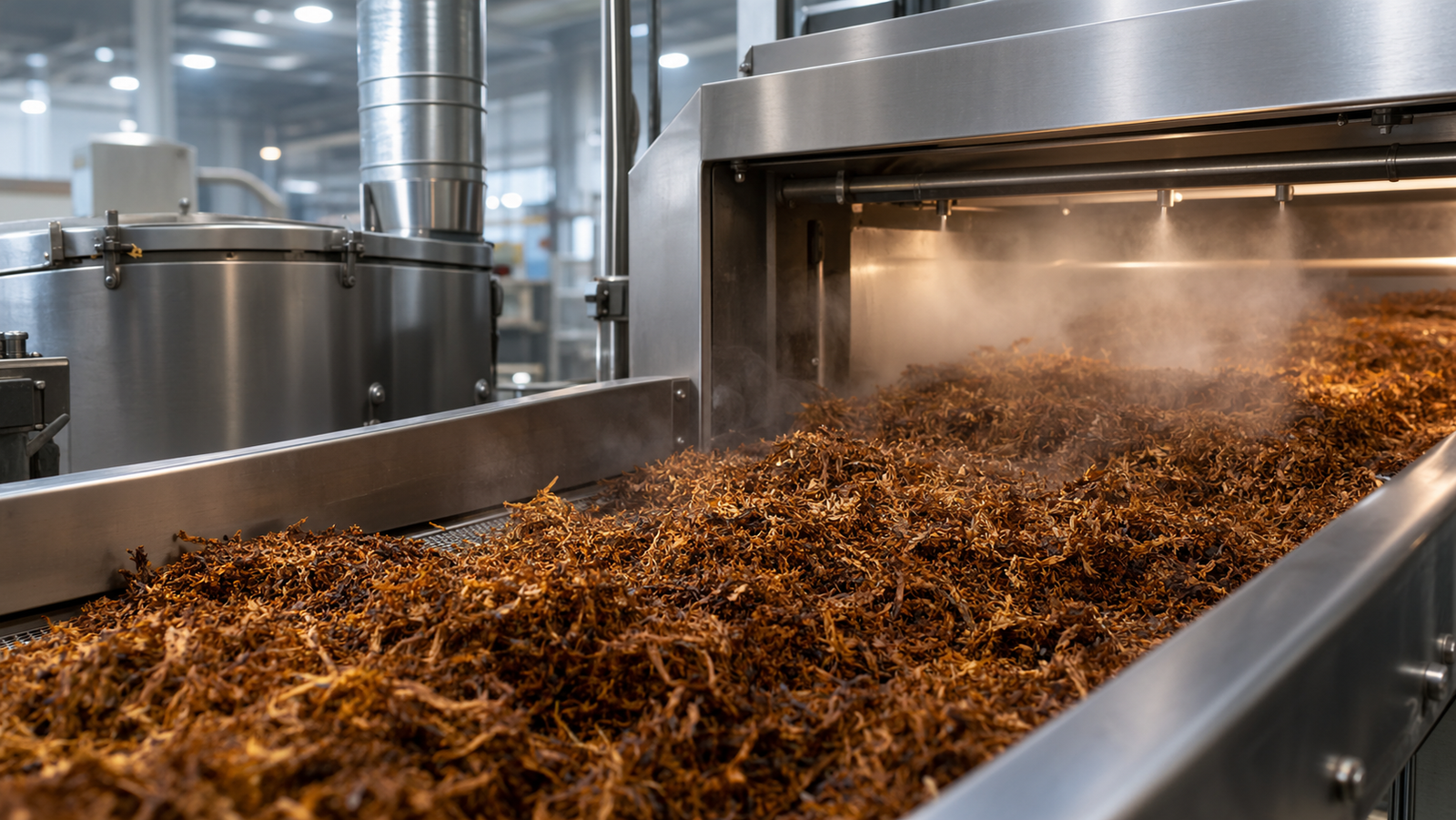
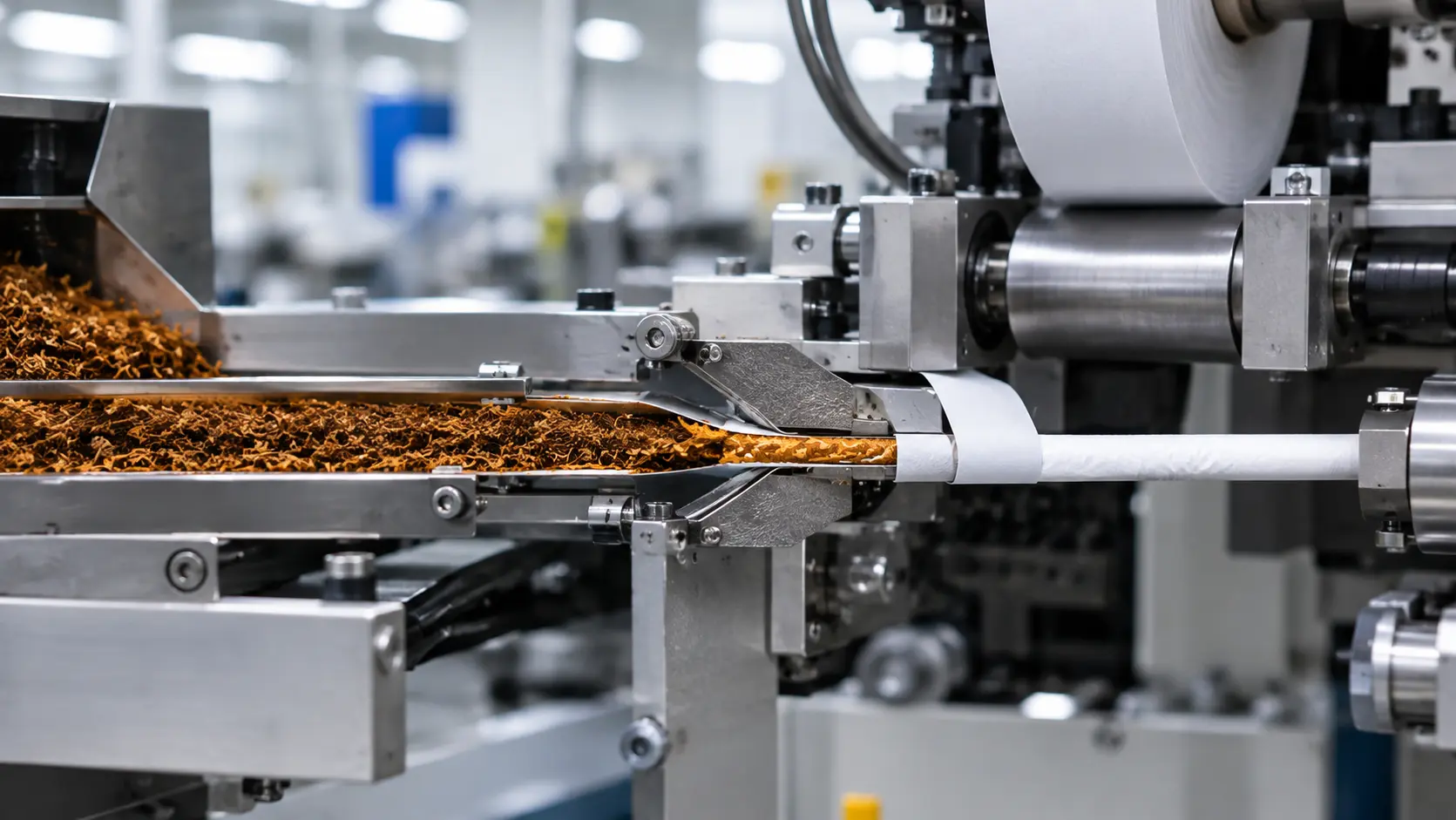
SKM and SPM are made on cigarette making and packing machines. Machine-made types follow the factory sequence behind how cigarettes are made: blended tobacco is formed into a continuous rod, wrapped, cut to length, fitted with a filter and packed. In the Ministry of Finance definitions, the process for both types runs from rolling through filter fitting and packing to the excise stamp, all done by machine. The only difference between the two is the clove in SKM.
SKT and SPT are rolled by hand. The Ministry’s definitions describe the same stages of rolling, packing and stamping, carried out without machines. Hand rolling is labour intensive, and that is the main reason the types are treated differently under the excise rules.
Why the Type Matters: Excise and Retail Price Floors
Indonesia collects excise on cigarettes as a fixed amount per stick, and the amount depends on the type and on the size of the producer. Each type also has a minimum retail price. Four points explain how the system works.
- Producer tiers. SKM and SPM each have two tiers set by annual production volume, with the dividing line at 3 billion sticks. A producer above that line is in tier I and pays a higher rate. SKT and SPT have three tiers.
- SPM sits higher than SKM. A Ministry of Finance official explained that SPM uses more imported tobacco and no clove, so its local content is lower and its tariff is higher. In the 2024 schedule, tier I SPM carried the highest per-stick rate of the main categories.
- SKT sits lowest. The Finance Minister has said machine-made types employ fewer workers than SKT, which is why hand-rolled products receive lower tariffs and smaller increases.
- Imports follow the same system. Imported cigarettes are classified by the same type structure, each with its own minimum retail price. Imported white cigarettes fall under the SPM line.
Excise rates did not change for 2025, although the minimum retail prices were adjusted. The Finance Minister announced that rates would not rise in 2026. Schedules are set by ministerial regulation and change often, so confirm the current figures with your importer before you price a product. Because the type decides the excise class, it also has to be settled before the cigarette import documentation for Indonesia is filed.
The Indonesian Market by Type
Total tobacco product production in Indonesia was about 317 billion sticks in 2024, according to Customs and Excise figures. Kretek makes up the large majority of that volume.
White cigarettes are a small segment with their own trade body, Gaprindo, the association of Indonesian white cigarette producers. Gaprindo has reported SPM output falling from about 15 billion sticks a year to about 10 billion over five years. Set against the national total, that is roughly 3 percent of volume. That share is my own calculation from the two figures, so treat it as an approximation.
Hand-rolled kretek is the fastest-moving category. Nielsen data cited by Gudang Garam’s management put SKT at a 31.1 percent share of sales in 2024, up over three years as buyers moved toward lower-priced products, while SKM’s share kept shrinking.
The pattern is a market where price is the main driver, kretek dominates, and white cigarettes serve a smaller and more specialised group of buyers.
What This Means for Brand Owners Sourcing White Cigarettes
Entering the SPM segment means entering a small, defined part of the Indonesian market with its own excise line and its own competitors. A brand owner has to decide the blend, the filter, the stick format and the pack before anything else, and brand owners usually make those decisions with a private label cigarette manufacturer that can produce to their specification.
Supplier choice matters for the same reason. A manufacturer that only makes white cigarettes suits an importer who has already settled on SPM, and that fit is one of the checks involved when you choose a cigarette manufacturer for Indonesia. Mixed kretek and white producers serve a different buyer.
General Tobacco Karachi works as a cigarette manufacturer for Indonesian importers, producing machine-made white cigarettes only. We make them for private label, OEM and contract clients, to the blend, format and pack specification the importer registers.
Frequently Asked Questions
What does SKM stand for?
SKM stands for sigaret kretek mesin, a machine-made clove cigarette with a filter.
What is the difference between SKM and SPM?
Clove. SKM contains clove and SPM does not. The Ministry of Finance also treats them differently for excise because SPM uses more imported tobacco.
What does SPT mean?
SPT is sigaret putih tangan, a hand-rolled white cigarette. SPTF is the filtered version.
Are white cigarettes an official category in Indonesia?
Yes. SPM is an official category in the excise schedule with its own producer tiers and minimum retail prices, and imported white cigarettes fall under it.
Who sets the excise rates for each type?
The Ministry of Finance sets them by regulation, and they change from year to year. Check the current schedule with your importer.
Does General Tobacco Karachi make kretek cigarettes?
No. We manufacture machine-made white cigarettes (SPM) only.