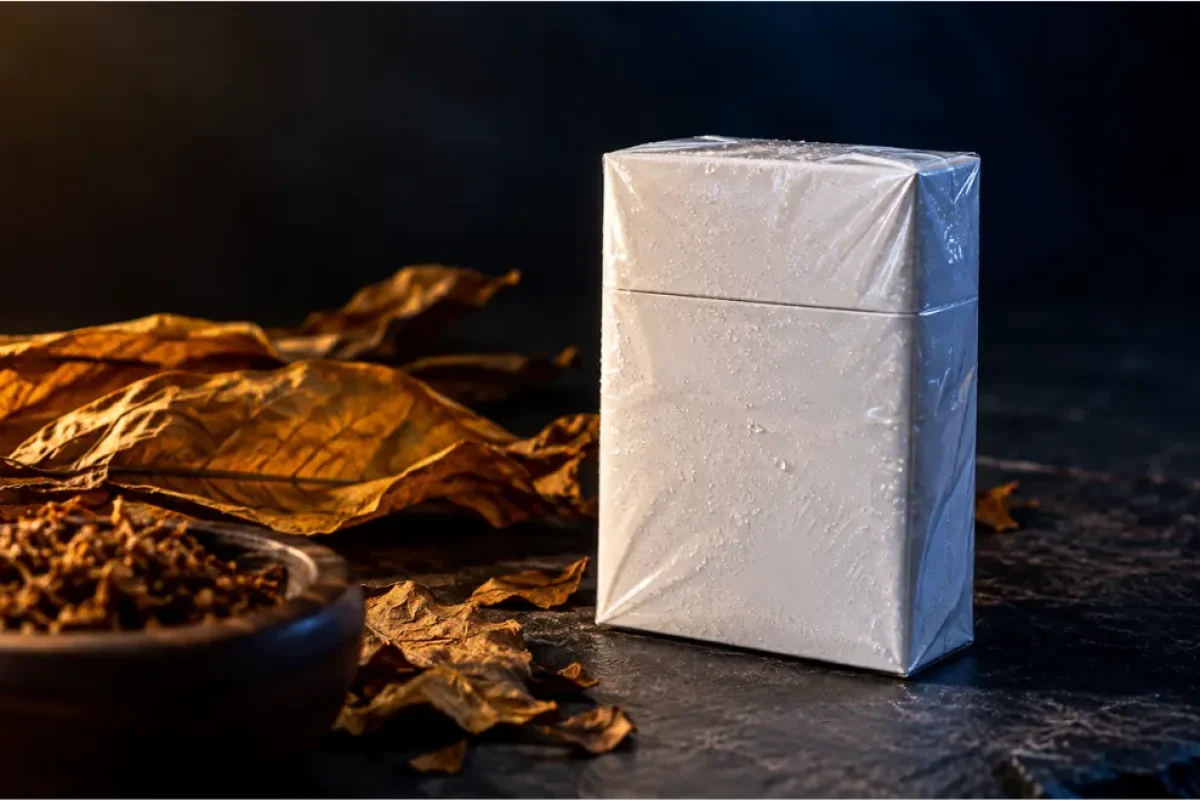
A factory-sealed pack of cigarettes stored in stable, moderate conditions generally stays at its best for around a year, and some sources stretch that to two. Once a pack is opened, the window shrinks to a few weeks. No single figure fits every product, because cigarette shelf life is set by four things working together: the moisture in the tobacco when it was packed, the barrier the packaging provides, the temperature and humidity where it’s stored, and how much air and light it’s exposed to. For brand owners and importers, the stretch that matters most is everything between the factory and the shelf, in warehouses and inside shipping containers, because that’s where freshness is most often won or lost.
How Long Do Cigarettes Stay Fresh?
Ask a dozen sources how long cigarettes last and you’ll get a dozen answers. Some put the freshest window for a sealed pack at six to twelve months, others say a year or more, and a few stretch it to eighteen or twenty-four months. Opened packs are usually described as good for a few weeks, and loose cigarettes for only days.
The spread isn’t necessarily because anyone is wrong. Each figure quietly assumes different conditions, a cool, dry cupboard in one case and a warm, humid stockroom in another. One commonly cited comparison puts a sealed carton in cool, moderate conditions at nine to twelve months, and the same carton in a warm or humid environment at three to six.
| Condition | Commonly cited freshness window |
|---|---|
| Sealed, cool and stable conditions | Roughly 9 to 12 months (some sources say up to 2 years) |
| Sealed, warm or humid conditions | Roughly 3 to 6 months |
| Opened pack, room temperature | A few weeks |
| Loose cigarettes | A few days |
These are commonly cited ranges, not manufacturer guarantees. The right figure for a specific product depends on its blend, its moisture at packing and its packaging.
What Actually Determines Cigarette Shelf Life
Five factors do most of the work.
Moisture
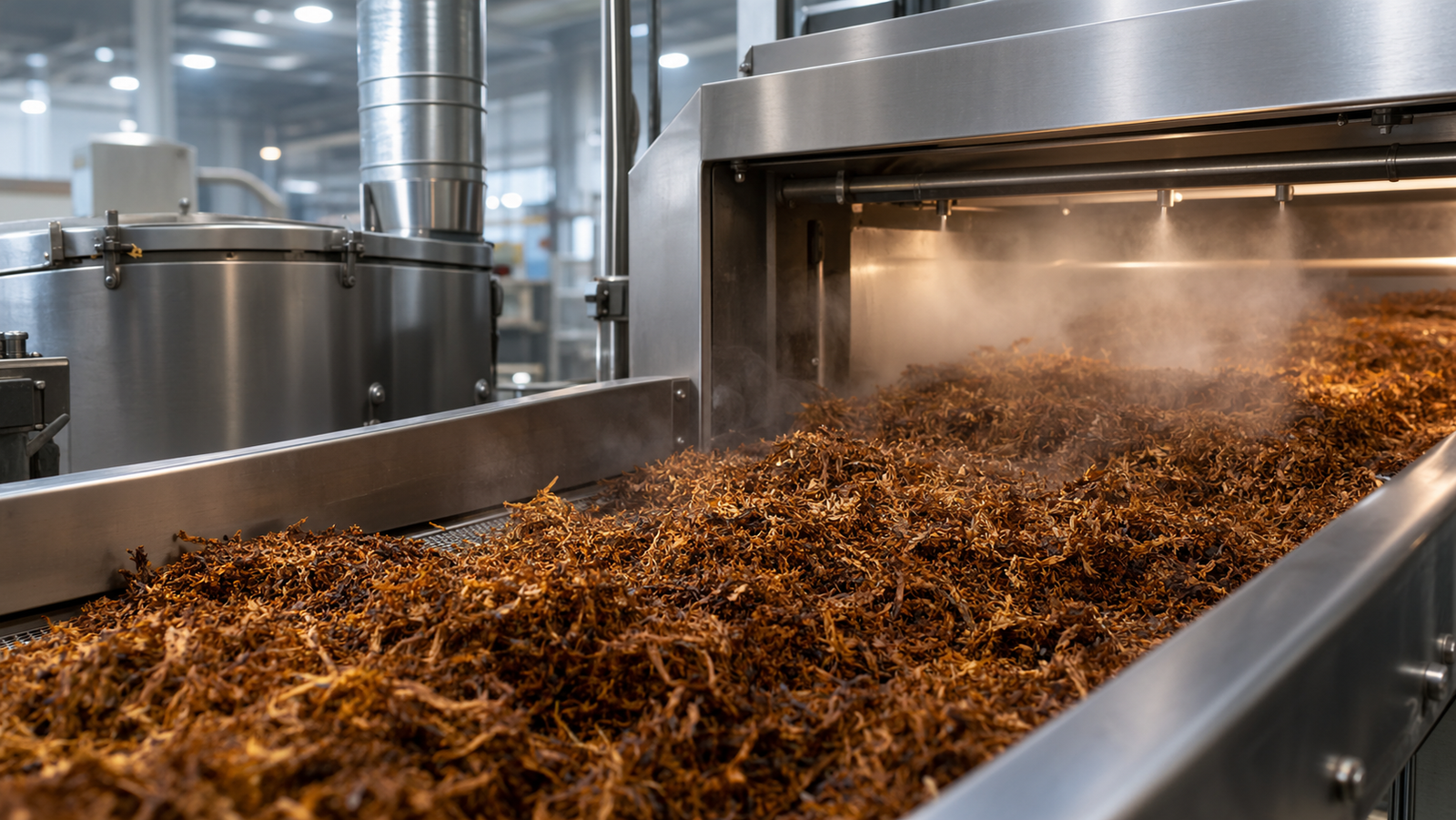
Tobacco is hygroscopic, meaning it constantly absorbs moisture from humid air and releases it into dry air. Too dry, and the tobacco turns brittle and the smoke harsh. Too moist, and it risks mould and uneven burning. The starting point matters as well: cigarettes are made at a tightly controlled moisture level, typically around 12 to 14 percent, as covered in our guide to tobacco moisture control, so everything after the factory is about how well that balance is held.
Temperature
Heat speeds up drying and the breakdown of tobacco’s natural oils, so warm tobacco loses moisture and aroma faster. Cold isn’t a fix either, since cold tobacco turns brittle, and moving cigarettes between cold and warm conditions invites condensation. Stability matters more than hitting an exact number.
Air
Oxygen starts staling tobacco as soon as it’s exposed. It’s why a cigarette taken out of its pack tastes noticeably different within days, and why an intact seal does so much of the work.
Light
UV light breaks down cigarette paper and degrades the oils in tobacco, so direct sunlight, including through a window or inside a vehicle, works against freshness.
Packaging integrity
The pack is the only thing standing between the tobacco and the other four factors, which is why it deserves a closer look.
How Packaging Protects Freshness
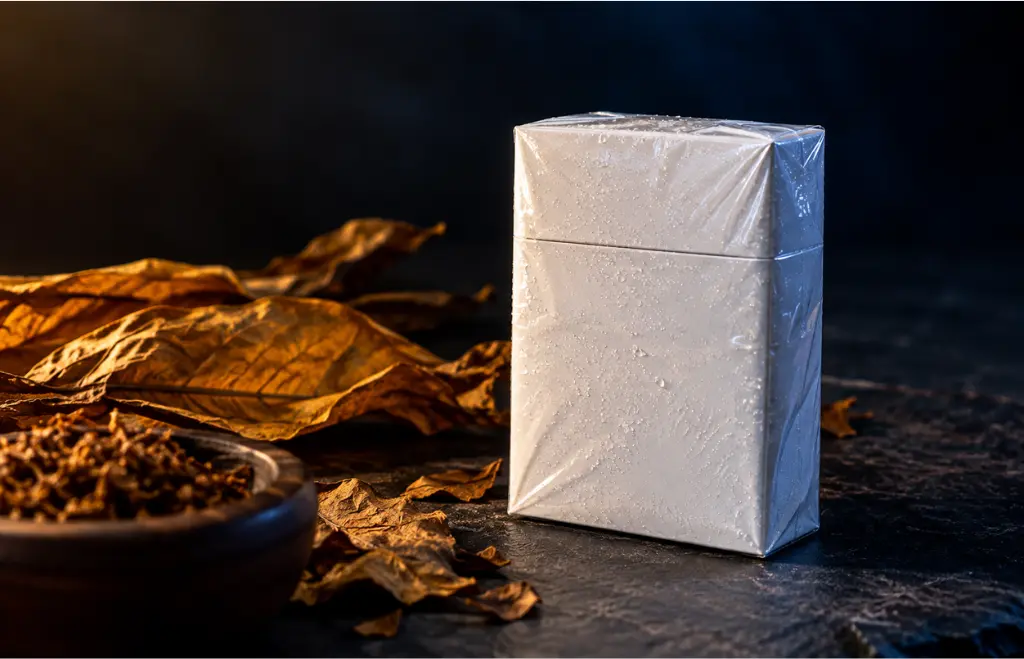
A cigarette pack works less like a container and more like a small sealed environment. In a typical hard pack, four layers each do a different job. The inner foil wrap sits against the cigarettes and acts as a barrier, keeping moisture, oils and aroma from escaping or getting in. The innerframe, a cardboard insert inside the box, holds the pack’s structure and its flip lid. The printed outer carton carries the branding, warnings and any tax stamp, and adds physical protection. The cellophane overwrap is the outermost layer: it seals the whole pack, helps hold internal humidity steady and, with its tear strip, shows whether the pack has been opened.
That factory seal is why the freshness clock is usually said to start once the pack is opened. Soft packs are built differently, with a foil inner wrap, a paper outer wrap and a plastic overwrap in place of the rigid carton and innerframe, and the trade-offs between the two formats are covered in our comparison of hard pack vs soft pack.
Because the seal does so much work, damage to the overwrap or carton, whether from crushing, moisture or rough handling, is worth treating as a freshness issue and not just a cosmetic one.
Ideal Storage Conditions
Most sources land around 60 to 70 percent relative humidity and roughly 15 to 25°C, in a cool, dark place, though individual sources range wider, with humidity guidance running from around 30 percent up to 70 percent. Rather than chase a precise figure, the practical principle is stability: a moderate, steady environment beats a “perfect” one that swings between extremes.
Do:
- Keep packs sealed until they’re needed
- Store them somewhere cool, dark and dry, with steady conditions
- Keep them away from strong-smelling products, since tobacco takes on odours
Avoid:
- Direct sunlight, heaters and vehicles
- Bathrooms, kitchens and other humid or fluctuating spaces
- Repeated moves between very different temperatures
Warehouse Storage for Brand Owners and Importers
Holding stock in volume applies the same principles at a larger scale, with a few practical additions. Rotate stock first in, first out, using the batch or date codes on cartons so older stock ships before newer. Keep pallets off the floor and away from external walls, doors and heat sources, where temperature and humidity swing the most.
Watch the seasons, too. Monsoon humidity and winter heating can push the same room in opposite directions, so conditions that were fine in one quarter may not be in the next. Keep stock away from strong-smelling goods, and keep stacking within pallet load limits so cartons at the bottom aren’t crushed. Finally, spot-check older pallets now and then by opening a carton, rather than assuming stored stock is in the same condition it arrived in.
Protecting Cigarettes During Export Transit
Time inside a shipping container is the most demanding part of a cigarette’s journey. A sealed steel box crossing oceans for several weeks goes through hot days, cool nights, tropical humidity and cold ports. Warm, humid air trapped inside cools, can no longer hold its moisture, and the water condenses. When it forms on the container’s ceiling and walls and drips down, it’s called container rain. When it forms on the cargo itself, it’s called cargo sweat. Cargo loaded in a warm, humid climate and shipped to a cooler one is the textbook set-up for both.
Tobacco is particularly exposed because it’s hygroscopic. Freight guidance names hygroscopicity as the main transport problem for tobacco, with excess moisture leading to mould, fermentation and off-flavour, and it also warns of taint from neighbouring cargo. For packaged cigarettes, the visible damage tends to show on the packaging first: mould on cartons, sodden cardboard and detached labels.
The usual countermeasures are general good practice for moisture-sensitive cargo: loading cartons and pallets dry, keeping inner packaging sealed, using desiccants or container liners where appropriate, allowing for ventilation, and avoiding a load that traps humid air. Exact arrangements depend on the route, the season and the forwarder, and they’re worth agreeing before the container is loaded, not after it arrives.
What to Check When a Shipment Arrives
Inspection on receipt is the cheapest protection a buyer has. Look at the container itself first: moisture on the ceiling or walls is an early sign of condensation. Then check the outer cartons for water marks, softness or mould, confirm the overwrap is intact and clear, and make sure labels are still attached and batch or date codes are readable. Packs should feel firm and smell normal.
If something looks wrong, photograph it, note the batch codes and raise it with the forwarder and the manufacturer promptly. Transit conditions are far easier to trace while the details are fresh.
How Manufacturers Set the Starting Point
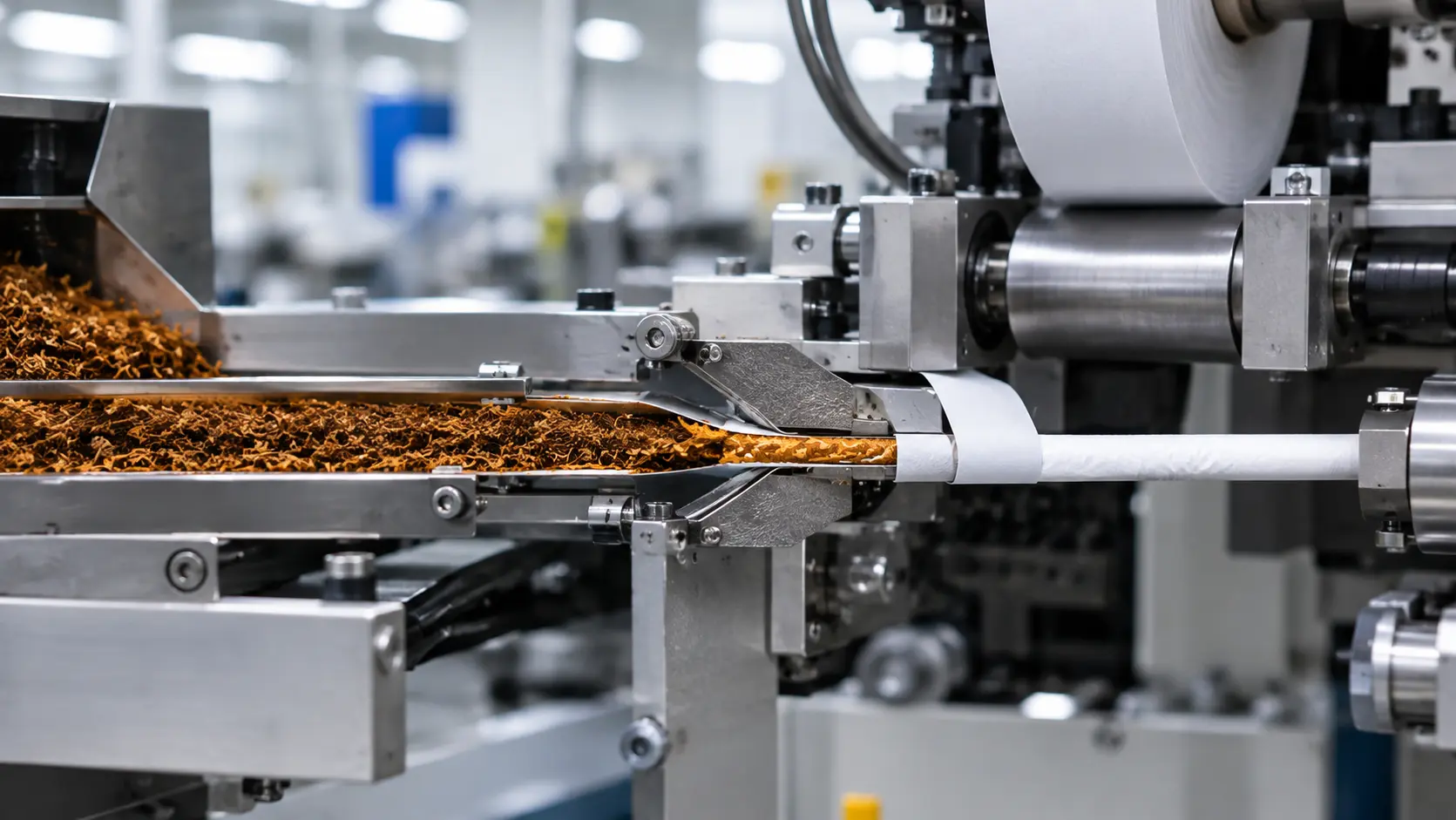
Everything above is about holding freshness. The manufacturer’s job is setting it. Tobacco is conditioned to a target moisture before rod making, production floor humidity is controlled so it doesn’t drift, and finished packs are checked for packaging integrity, all covered in our guides to tobacco moisture control and quality checks in cigarette production.
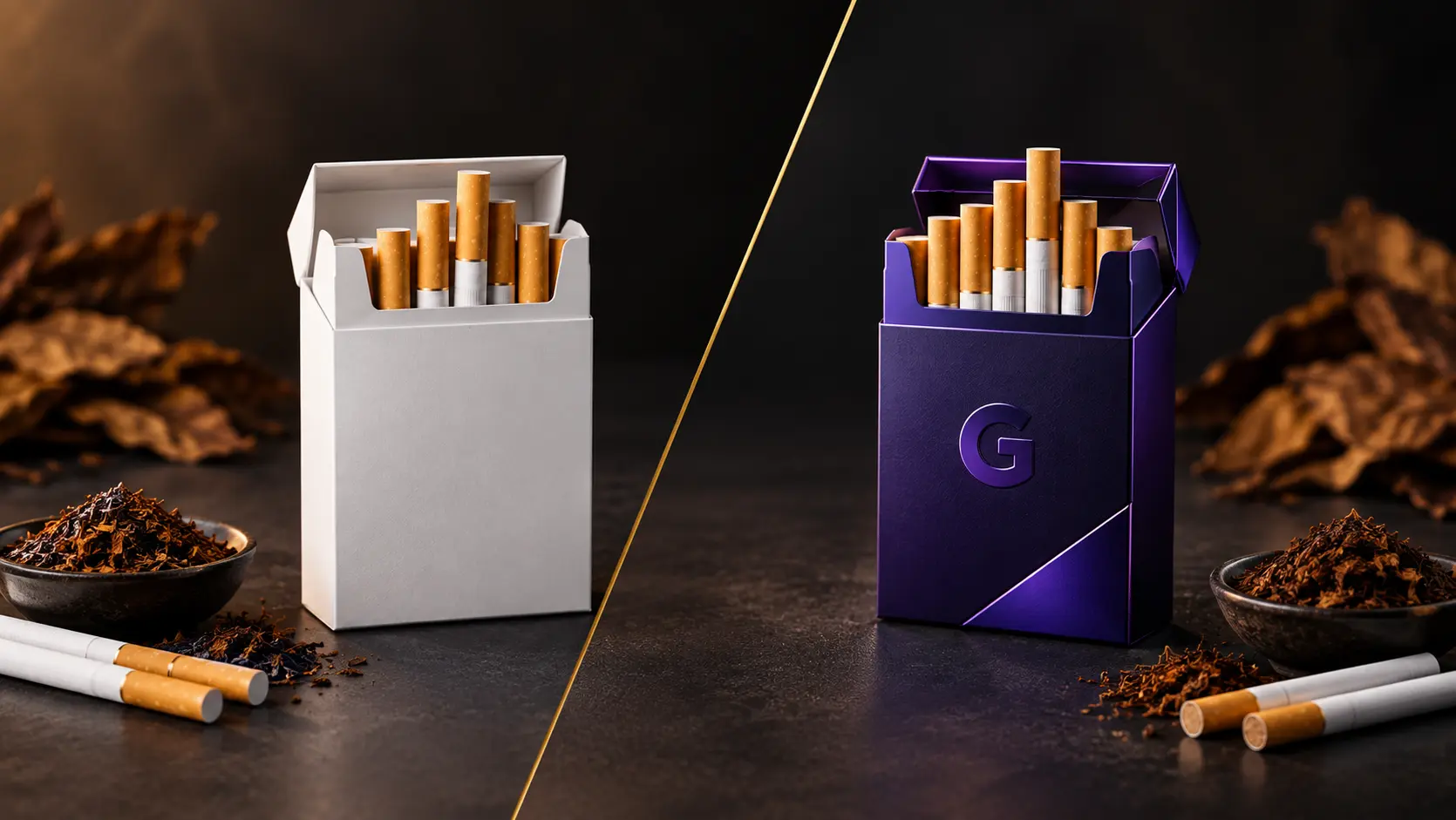
Packaging is the other half. The choice of barrier and overwrap is worked out at the specification stage for private label and custom packaging orders, alongside format and market, including how far the shipment will travel and through what climates. That’s why shelf life is worth raising when a product is specified, not only after it arrives.
Frequently Asked Questions
How long do cigarettes last?
A sealed pack in stable, moderate conditions is usually at its best for around a year, with some sources saying up to two. Opened packs are typically good for a few weeks.
Do cigarettes expire?
There’s no single expiry date that applies to every product. Cigarettes lose freshness gradually, drying out or absorbing moisture, and batch or date codes help track the age of stock.
What humidity is best for storing cigarettes?
Most guidance points to roughly 60 to 70 percent relative humidity, kept steady. Stability matters as much as the exact number.
Should cigarettes be kept in the fridge or freezer?
Generally not. Sources disagree, and moving cigarettes between cold and warm conditions invites condensation. A cool, dry room with steady conditions is the safer choice.
Does packaging affect shelf life?
Yes. The foil wrap, cellophane overwrap and carton work together as a sealed barrier, and damage to any layer can shorten freshness.
How are cigarettes protected during export shipping?
Common practice includes loading dry, keeping inner packaging sealed, and using desiccants or liners and ventilation where appropriate. Exact arrangements vary by route and season.