Importing cigarettes into Indonesia takes a chain of permits and documents, and only some of them come from the manufacturer. The Indonesian importer holds the business identification number (NIB), the excise licence (NPPBKC), the Ministry of Trade import approval and the customs declaration (PIB). The importer also registers the brand with Customs and Excise and orders the excise stamps (pita cukai). The manufacturer supplies the commercial invoice, packing list, authorisation letter, product specifications and compliant pack artwork. Knowing which side owns each document is the fastest way to avoid delays at the port.
This guide lists every document in the order it is needed, who holds it, and what General Tobacco Karachi provides as the manufacturer. It covers white cigarettes (SPM), which is what we make. Rules and forms change, so your importer or licensed customs broker should confirm the current version of each before you commit to a shipment.
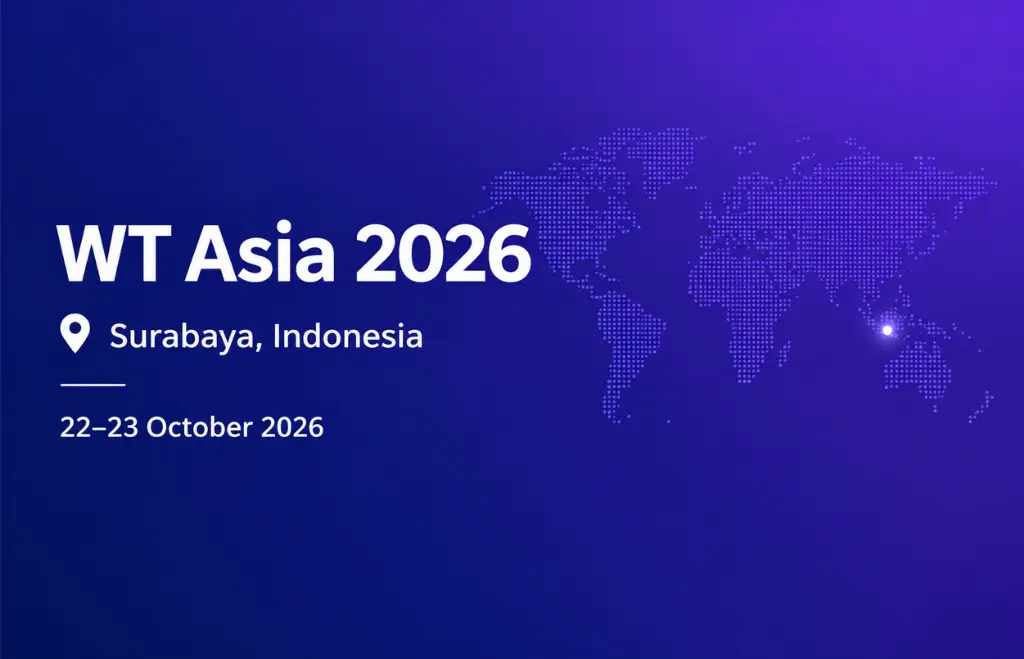
For the paperwork that applies to every destination, see our guide to cigarette import documentation. To choose a supplier for this market, read how to choose a cigarette manufacturer for Indonesia. If you are researching suppliers around the trade event in Surabaya, our overview of WT Asia 2026 has the dates and venue.
Indonesia Cigarette Import Documents at a Glance
| Document | Held or filed by | Purpose |
|---|---|---|
| NIB (business identification number) | Indonesian importer | Basic business registration and import identity, issued through the OSS system |
| NPPBKC (excise licence) | Indonesian importer | Authorises dealing in excisable goods such as cigarettes |
| Brand registration and excise tariff determination | Importer, using manufacturer artwork and authorisation | Registers the brand, variant and pack with Customs and Excise |
| Import approval (Persetujuan Impor) | Indonesian importer | Ministry of Trade approval to bring the goods in |
| Excise stamps (pita cukai) | Ordered by the importer | Shows excise has been settled on each retail pack |
| Commercial invoice and packing list | Manufacturer | Declares value, quantity and description of the goods |
| Bill of lading | Shipping line, via the forwarder | Transport contract and title document |
| Certificate of origin (where required) | Manufacturer | Evidence of where the goods were made |
| Import declaration (PIB) | Importer or customs broker | Declares the goods to Indonesian Customs for clearance |
Documents the Indonesian Importer Must Hold
NIB (Business Identification Number)
The NIB is issued through Indonesia’s Online Single Submission (OSS) system and is the importer’s basic business registration. Under current practice it also acts as the importer’s import identity, replacing the older importer licence types (API-U and API-P). The business activity code on the NIB must cover tobacco wholesale and import. For importers that is typically wholesale trade of cigarettes and tobacco (KBLI 46335).
NPPBKC (Excise Licence)
The NPPBKC, short for Nomor Pokok Pengusaha Barang Kena Cukai, is the excise licence issued by the Directorate General of Customs and Excise (DJBC, also called Bea Cukai). Cigarettes are excisable goods, so no commercial importer can bring them in without it. Indonesian excise rules grant the number separately for each business field, type of excisable goods and business location.
Applicants are generally asked for company documents, tax registration, a legal domicile in Indonesia, a warehouse and a registered trademark, followed by a site inspection by Customs and Excise. The licence is reported to run for five years and can be renewed.
Two practical points apply to a manufacturer. First, ask your importer for a copy of their current NPPBKC before production begins. Second, check that it is active. An importer whose NPPBKC has been frozen cannot order excise stamps, which stalls the whole shipment.
Import Approval (Persetujuan Impor)
The Ministry of Trade issues the import approval through its INATRADE platform. The application builds on the importer’s NIB and NPPBKC, together with details of the goods. Depending on the product category, importers may also be asked for packaging samples with the health warnings applied and for test reports.
Brand Registration and Excise Tariff Determination
Before cigarettes are imported commercially, the brand has to be registered with Customs and Excise as part of the excise tariff determination. The submission includes the pack design and a letter of authorisation from the principal, meaning the overseas manufacturer or brand owner, to the Indonesian importer.
Once approved, the registration ties together the product’s excise tariff, retail selling price, packaging specification and stamp format. The tariff determination is made per variant, not per brand, so a brand sold in a regular and a menthol version needs a separate determination for each.
This is the stage where the manufacturer is most directly involved. The pack artwork and the authorisation letter both come from our side, and both need to match what the importer files. If you are still deciding who owns the brand and the formulation, our comparison of white label vs private label cigarettes explains how each model affects the authorisation you will need.
Excise Stamps (Pita Cukai)
The pita cukai is the excise stamp attached to every retail pack. It is a security document that shows excise has been settled. The importer, not the manufacturer, requests it. The importer first files a supply application (P3C), then places the order on the CK-1 form once the stamps are available at Customs and Excise. Stamp printing is arranged by Customs and Excise through Peruri, Indonesia’s state printer. Excise is paid when the order is placed, unless the importer has been granted an approved payment deferral.
For the manufacturer, this has two consequences. The pack design must leave the area that the registered stamp format requires. The carton quantities in your documents must also line up with what the importer plans to stamp. We produce to the approved specification and do not order stamps ourselves. Our custom cigarette packaging team builds pack artwork with the warning and stamp areas planned in from the start.
Packaging and Labelling Requirements
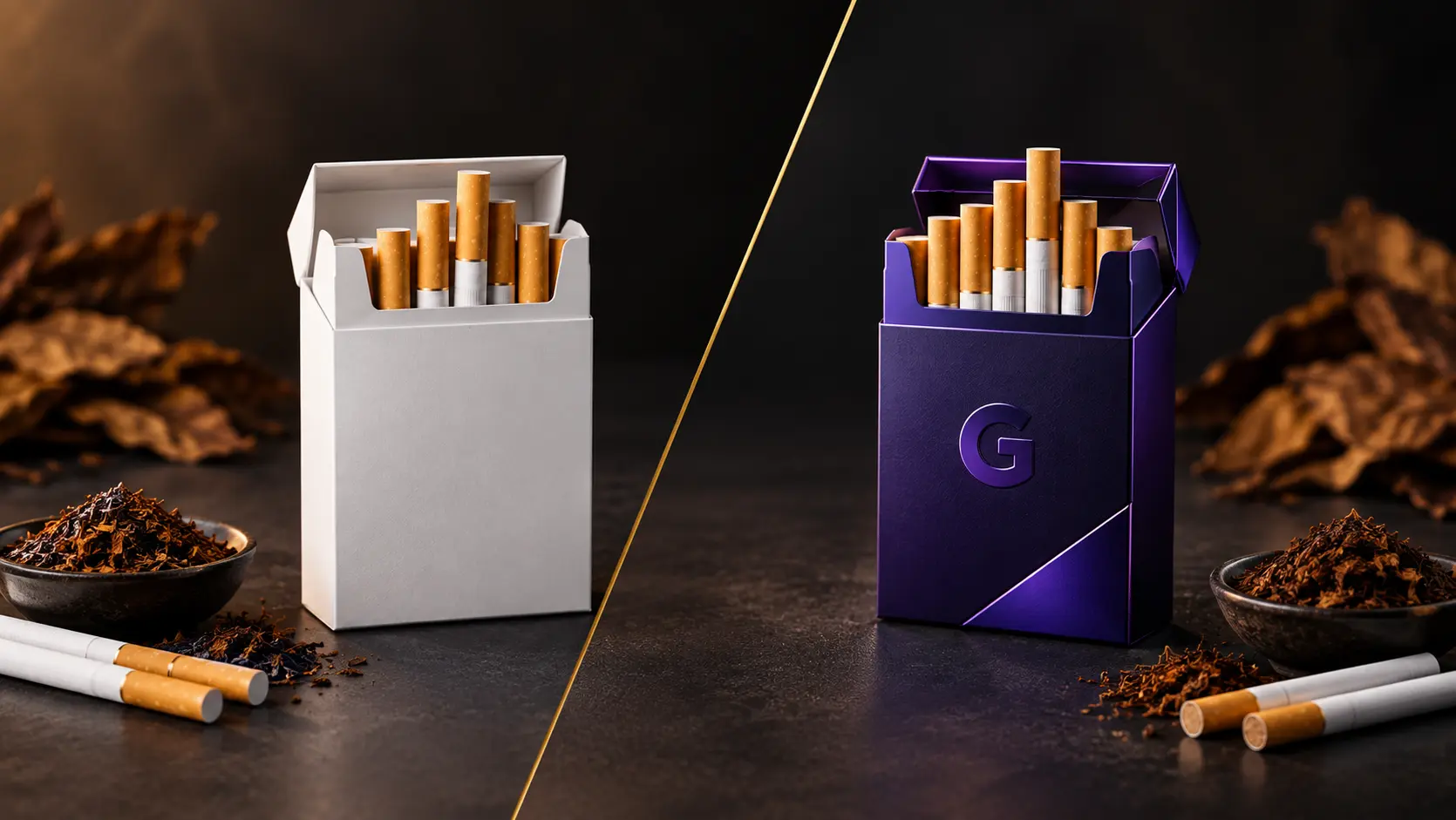
Indonesia does not require plain packaging, so your brand design is retained. It does require pictorial health warnings in Bahasa Indonesia, and the layout is set by regulation. Earlier published summaries of the rules describe warnings covering 40 percent of the front and back of the pack, with five warning sets rotated across products and a prohibition on misleading wording on the pack.
Indonesia has since issued a newer government regulation (GR 28/2024), so the exact coverage and the approved image sets should come from your importer’s current instructions, never from an older pack. Printing the wrong warning set is a documentation problem that is hard to fix once cartons are made.
Recent BPOM rules (PerBPOM 18/2025) also add ingredient disclosure and test reporting duties for tobacco products, with the transition period ending in July 2026. Importers will usually ask the manufacturer for blend and ingredient information and any nicotine and tar test reports. These should be current and consistent with the pack, and they sit alongside the checks described in our guide to quality control in cigarette manufacturing.
Documents the Manufacturer Supplies
These are the documents that come from our side of the shipment:
- Commercial invoice: brand and variant names exactly as registered, quantities, unit prices and the agreed Incoterm.
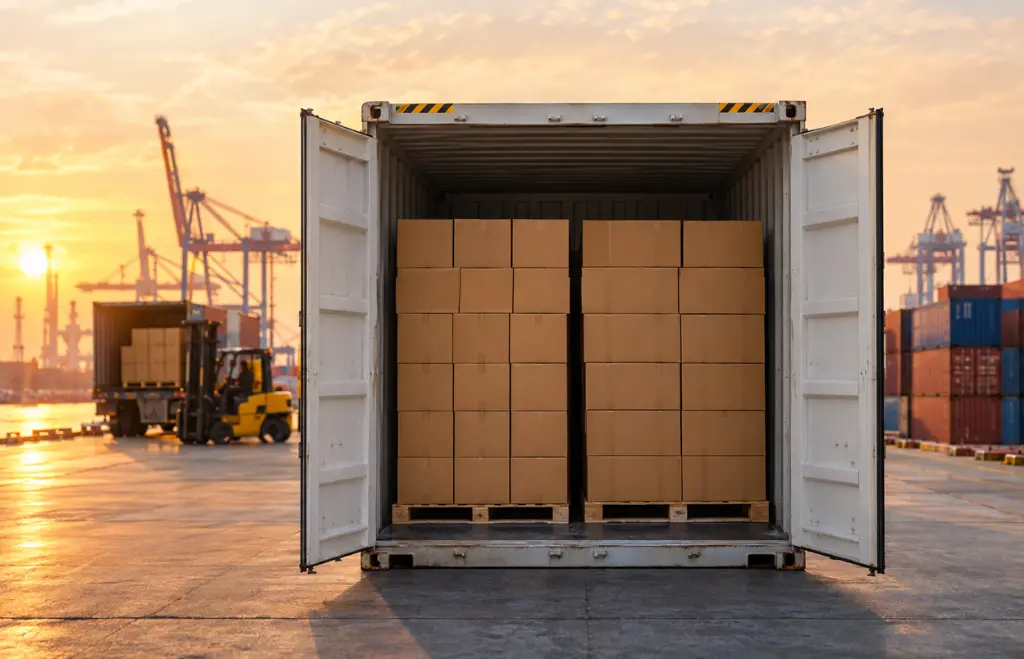
- Packing list: cartons or master cases, packs per carton, gross and net weights. It should match the container plan from our cigarettes per container guide.
- Certificate of origin: where the importer or the tariff treatment being claimed requires it.
- Letter of authorisation: the principal’s authorisation to the Indonesian importer, used in brand registration.
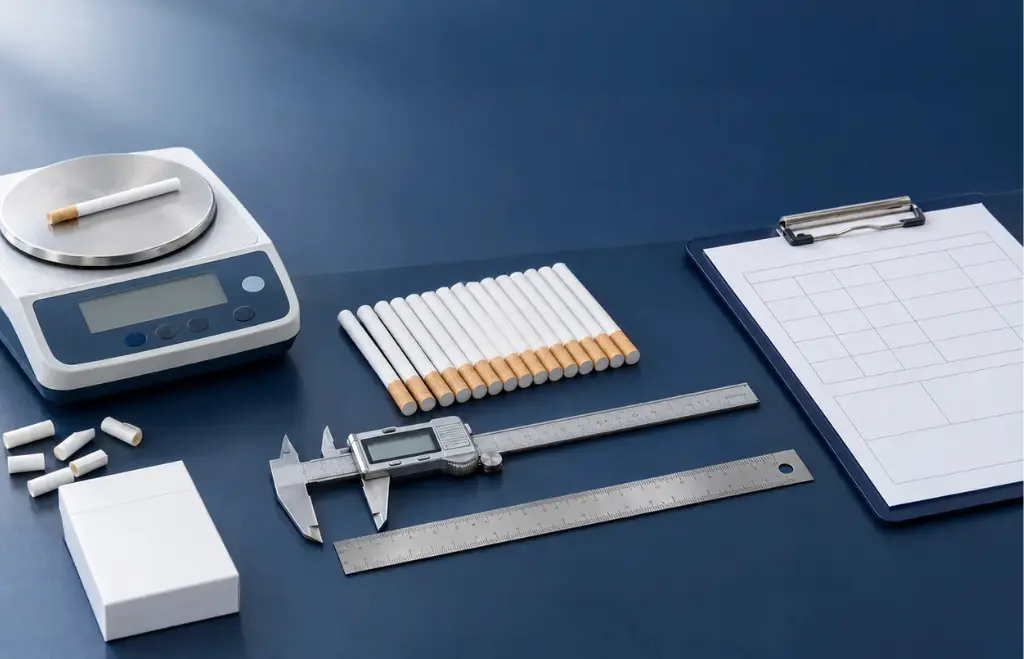
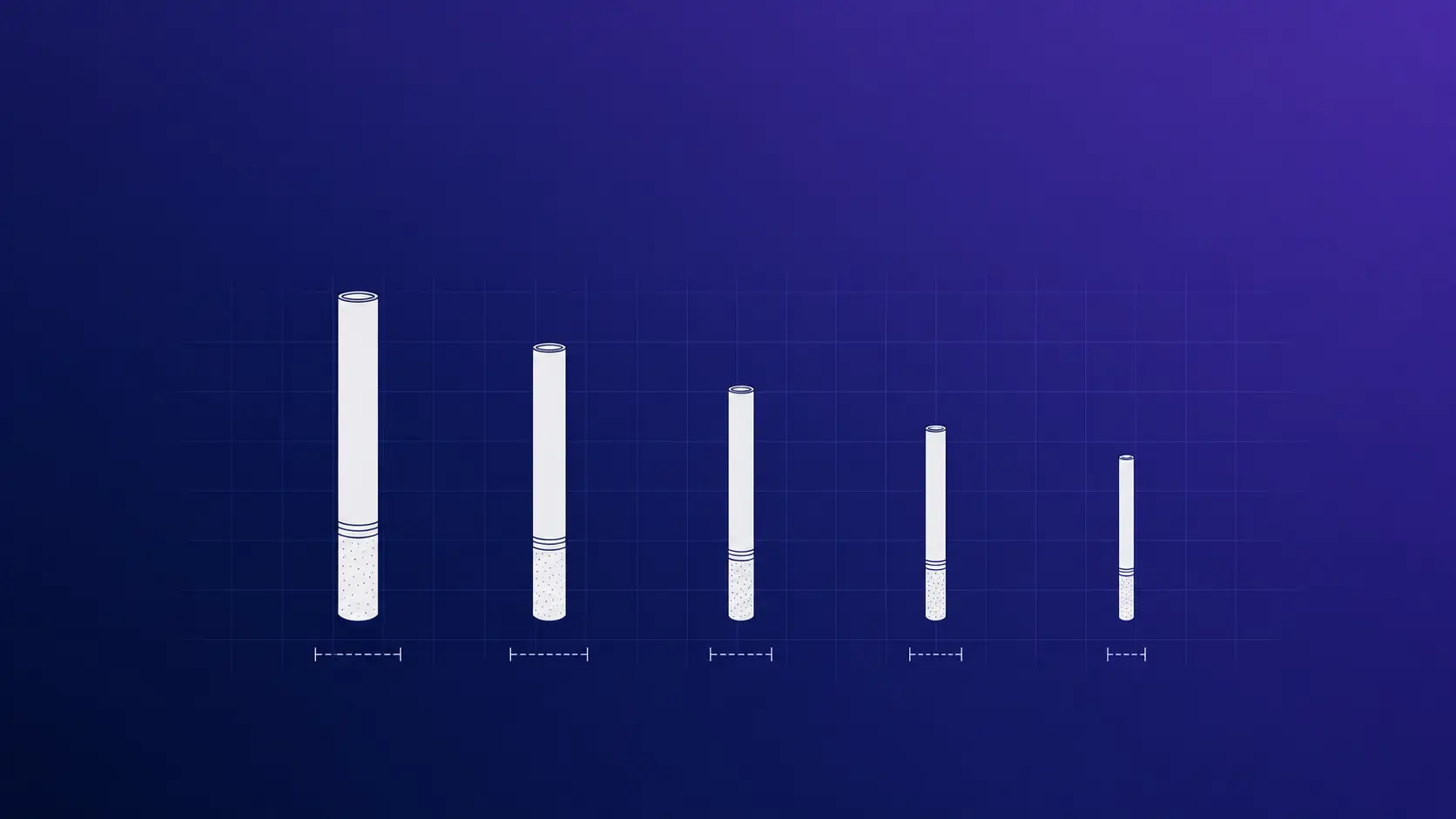
- Product specification sheet: format, dimensions, filter, pack type and stick count. Our cigarette sizes explained guide shows how these specifications are defined.
- Ingredient and test information: the blend and test details your importer’s compliance route asks for.
- Final pack artwork files: with the warning and stamp areas as the importer has registered them.
The bill of lading is issued by the shipping line through the forwarder, and it must carry the same goods description as the invoice and packing list.
Customs Declaration and Clearance
The importer or its customs broker files the import declaration (PIB, Pemberitahuan Impor Barang) electronically through the Indonesia National Single Window (INSW). Clearance follows a risk lane system of green, yellow and red lanes, where the red lane means physical inspection.
Cigarettes are classified under HS heading 2402, with subheading 2402.20 covering cigarettes that contain tobacco. The customs broker confirms the Indonesian tariff line and the duty and excise that apply. Every description, quantity and brand name on the PIB must match the invoice, packing list, bill of lading and the registered brand.
Sea freight from Karachi to Tanjung Priok in Jakarta typically takes 12 to 16 days, so documents should be final before the vessel sails, not while it is at sea. Transit conditions also matter for the stock itself, which we cover in our guide to cigarette shelf life and storage.
Recommended Order of Work
- Confirm your importer holds a valid NIB and an active NPPBKC.
- Agree the brand, variants and pack format, then file brand registration and tariff determination.
- Supply the authorisation letter and artwork, and receive the importer’s warning and stamp specifications.
- Approve final artwork before any printing begins.
- Produce the order and complete the packing list and invoice.
- The importer secures import approval and orders the excise stamps.
- Ship, then the importer or broker files the PIB through INSW.
Common Documentation Problems and How to Avoid Them
- Mismatched names: the brand or variant spelled differently on the registration, invoice and PIB. Agree one spelling in writing before any filing.
- Artwork without the right areas: packs printed without the warning area or stamp space the registration requires. Get the importer’s sign-off on artwork before printing.
- Inactive licences: an expired or frozen NPPBKC discovered after production. Check status at the start.
- Missing authorisation: a brand registration held up because the authorisation letter was not ready.
- Quantity gaps: packing list totals that do not match the stamp order or the PIB.
- Outdated warning sets: artwork copied from an old pack instead of the current approved images.
How General Tobacco Karachi Handles Indonesian Documentation
General Tobacco Karachi is a Pakistan-based manufacturer of white cigarettes for private label, OEM and contract manufacturing clients, and we do not make kretek. For Indonesia, we work alongside your licensed importer. We agree the document list before production, review artwork against the importer’s warning and stamp requirements, and keep the invoice, packing list and bill of lading consistent with the registered brand details. Our export shipments leave from our Karachi facility, and the same checklist applies whether you order a first container or a repeat run.
Depending on how you want to build your brand, you can start with our private label cigarette manufacturer service, our OEM cigarette manufacturer service or our contract cigarette manufacturer service. To see how we support this market specifically, visit our page for a cigarette manufacturer in Indonesia.
Frequently Asked Questions
Can a foreign manufacturer ship cigarettes to Indonesia without a local importer?
Commercial imports require an Indonesian-registered importer holding an NIB and an NPPBKC. Manufacturers therefore work through a licensed importer, which holds the permits and files the customs declaration.
Who orders the pita cukai?
The importer orders the excise stamps from Customs and Excise using the CK-1 order document. The manufacturer produces packs to the registered specification.
Does Indonesia require plain packaging for cigarettes?
No, brand designs are retained. Pictorial health warnings in Bahasa Indonesia are required, and the importer supplies the current approved layout.
Which documents does the manufacturer provide?
The commercial invoice, packing list, certificate of origin where required, letter of authorisation, product specifications, ingredient and test information requested by the importer, and final pack artwork.
How long does the paperwork take?
It depends on the importer’s starting point. An importer with an active NPPBKC and existing brand registrations moves faster than a new entrant who still needs licences, so confirm status first.
Do you make kretek cigarettes?
No. We manufacture white cigarettes (SPM) only.