To choose a cigarette manufacturer for the Indonesian market, check eight things: whether its range fits your segment (white cigarettes or kretek), whether it can produce to your NPPBKC and excise specification, how its sample approval works, how flexible its blends and formats are, how it handles pack design, how it controls quality, how it manages export documentation and shipping, and what confidentiality and order terms it offers. Indonesia’s excise system is built around the licensed importer, so the right manufacturer is the one that builds the product your licence, stamp order and packaging are set up for, and then delivers it the same way every time.
How Cigarettes Reach the Indonesian Market: Who Holds What
Before comparing manufacturers, it helps to know who is responsible for what, because it shapes every question below.
In Indonesia, cigarettes are excise goods administered by the customs and excise authority, Bea Cukai. A business that imports tobacco products needs an excise licence called an NPPBKC, and the application requirements include an Indonesian tax number, a company deed and a trade importer licence. In other words, the licence sits with a locally registered importer, not with the overseas manufacturer. Licensed importers and factories also order the excise stamps (pita cukai) that go on every pack, and the excise tariff is determined brand by brand, based on the product type and its declared retail price, with the pack design submitted as part of that process.
The practical consequence is that a manufacturer’s job is not to hold your licence or place your stamp order. It is to produce exactly what your licence, tariff classification and stamp order describe, and to ship it with clean documentation. Rules change, so confirm current requirements with your customs broker or advisers before committing to a production run.
One more option deserves a mention. Indonesia has many local factories offering maklon, the local term for contract manufacturing, in Bahasa and in rupiah, and for some brand owners local production is the right answer. This checklist is for buyers who have decided to source from overseas, for example because they already hold an importer licence and want an imported white cigarette range.
The 8 Checks
1. Does the range fit your segment?
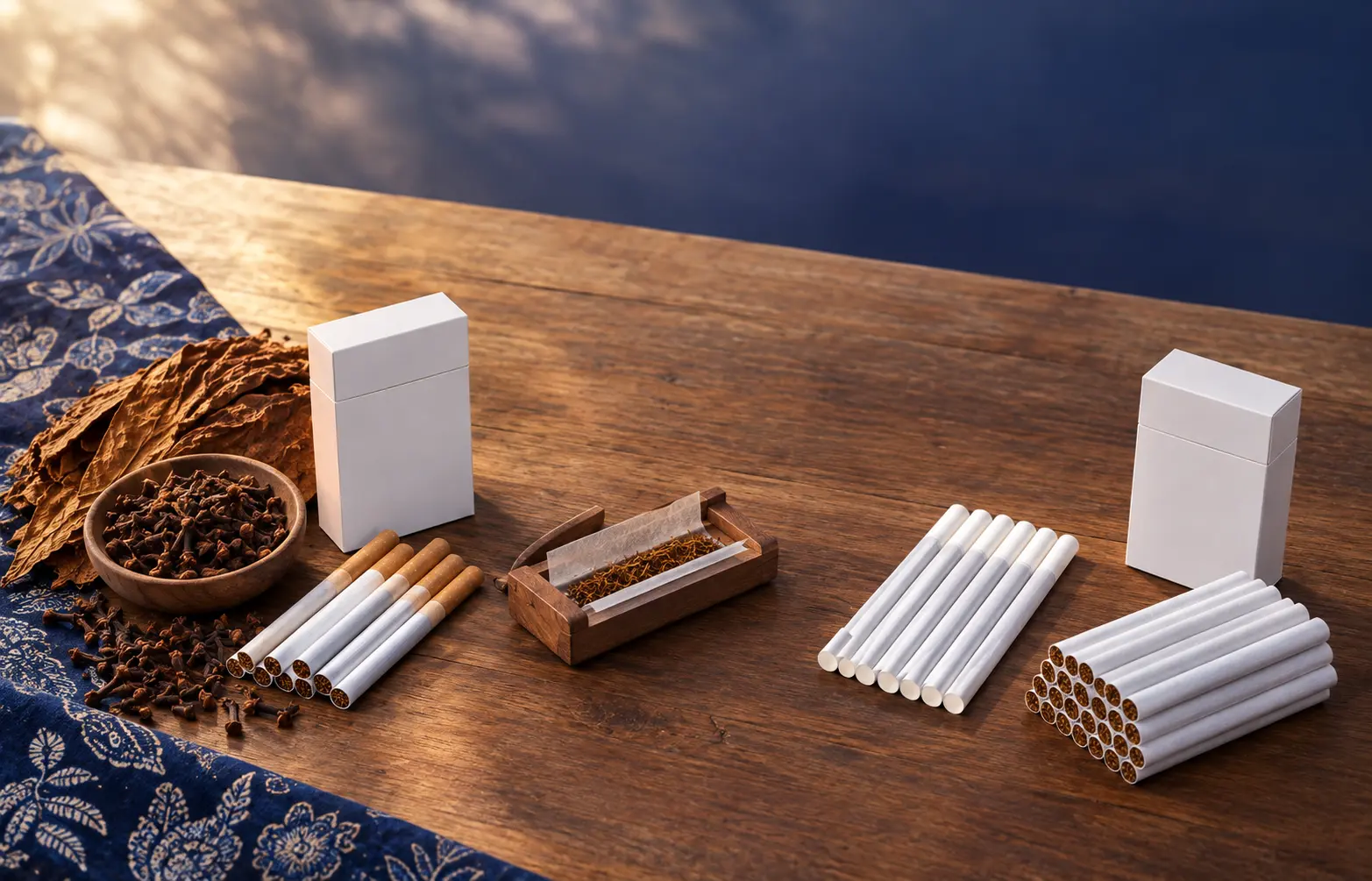
Indonesia’s cigarette market is built largely around kretek, the clove-blended cigarette, and products are sorted into types: SKM (machine-made kretek), SKT (hand-rolled kretek), SPM (machine-made white cigarettes) and SKL (kretek wrapped in corn husk). A factory that makes international-style white cigarettes cannot supply kretek, and the reverse is also true, so the first question is the simplest one: which category is the product built for, and does it match what you are launching?
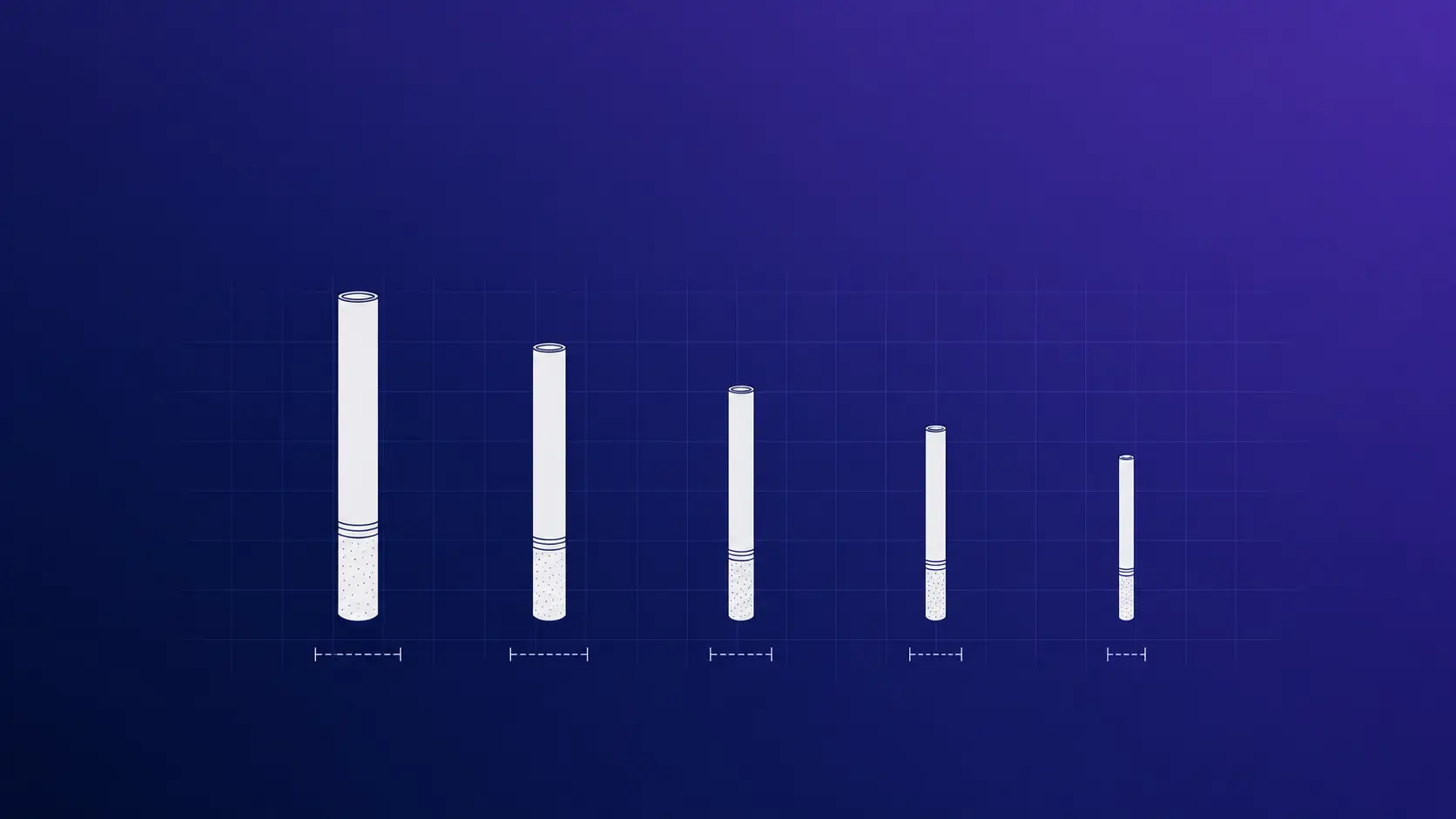
Ask about formats too. King Size, 100s, Slim, Super Slim and Nano each have a different diameter and length, which we cover in our guide to cigarette sizes, and format affects both positioning and the excise classification you will be working with.
2. Can they build to your NPPBKC and excise specification?
This is the check that matters most. A good manufacturer asks early for your excise tariff classification, the retail price tier you have declared and your stamp requirements, then locks the product specification (blend, format and pack) to match before production starts. A weaker one treats all of that as paperwork for later.
Ask how the specification is documented and who signs it off. If the answer is “we will sort that out when the container is ready”, keep looking.
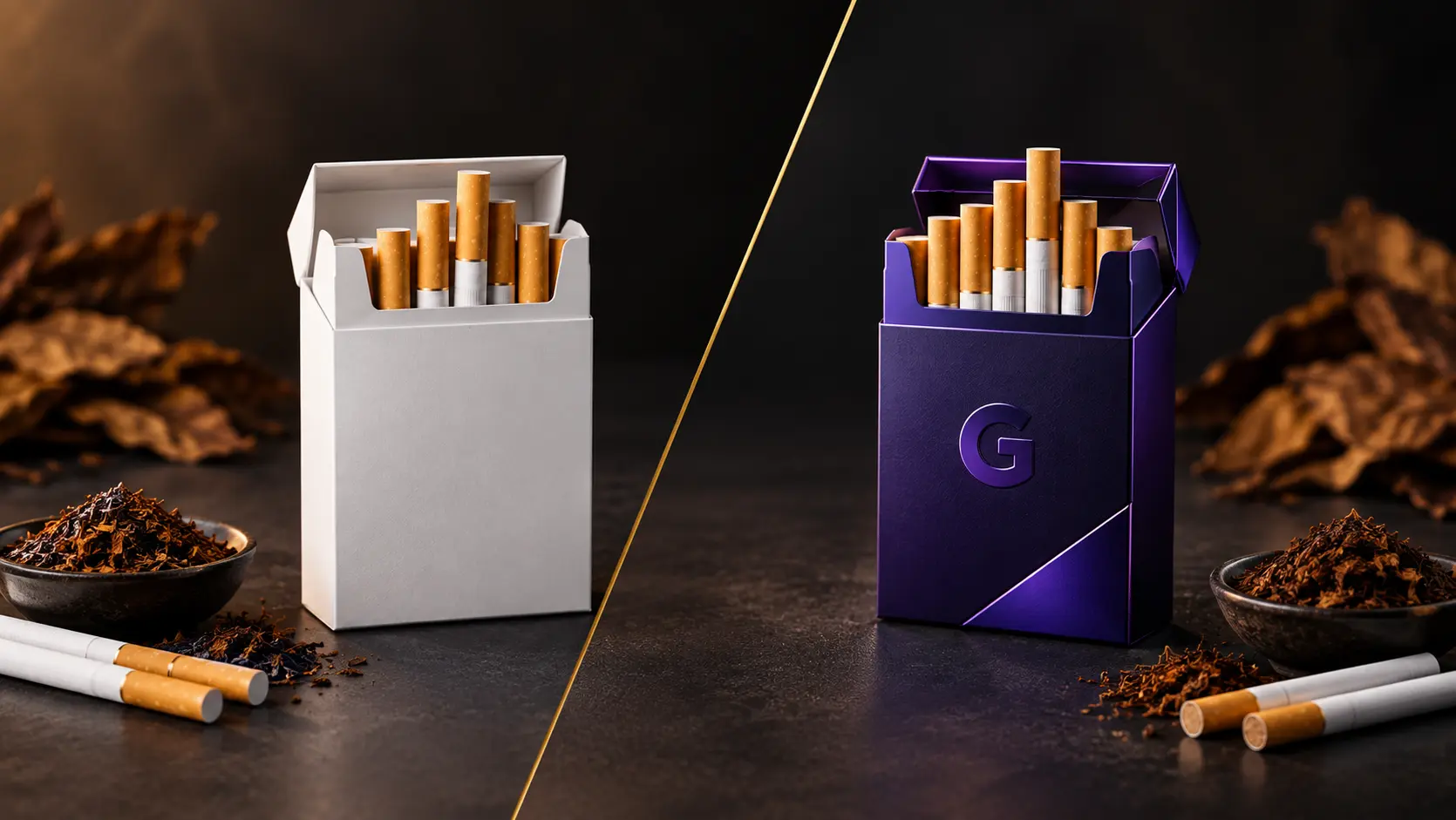
3. How does pack design and labelling work?
Because pack design (brand name, logo, dominant colours and layout) forms part of how your excise tariff is determined, treat your artwork as a controlled document. Ask how the manufacturer manages artwork versions, who approves the final file, and what happens if a change is needed after approval. It is also worth confirming with your advisers how a design change would affect your tariff determination before you ask for one.
Our custom packaging service works from your approved artwork and the labelling requirements of the destination market.
4. How does sample approval work?
Ask what the sample actually includes: the blend, the format, the filter and a branded pack, or only part of that. Ask whether full production starts only after you approve it, how many revision rounds are normal, and how long each round takes.
The answer you want is that production begins only after your sign-off and that the approved sample becomes the reference for every batch that follows. That is how our private label process works.
5. How flexible are the blends and formats?
Most manufacturers offer a menu of existing blends and formats, and some also develop custom blends. The two routes differ in cost, timeline and minimum quantities, and the terms used for them are often blurred, as we explain in white label vs private label cigarettes.
Ask which route you are being quoted, whether the blend is exclusive to you, and whether you can start with a menu blend and move to a custom one later once the brand is established.
6. How do they control quality, and can they show it?
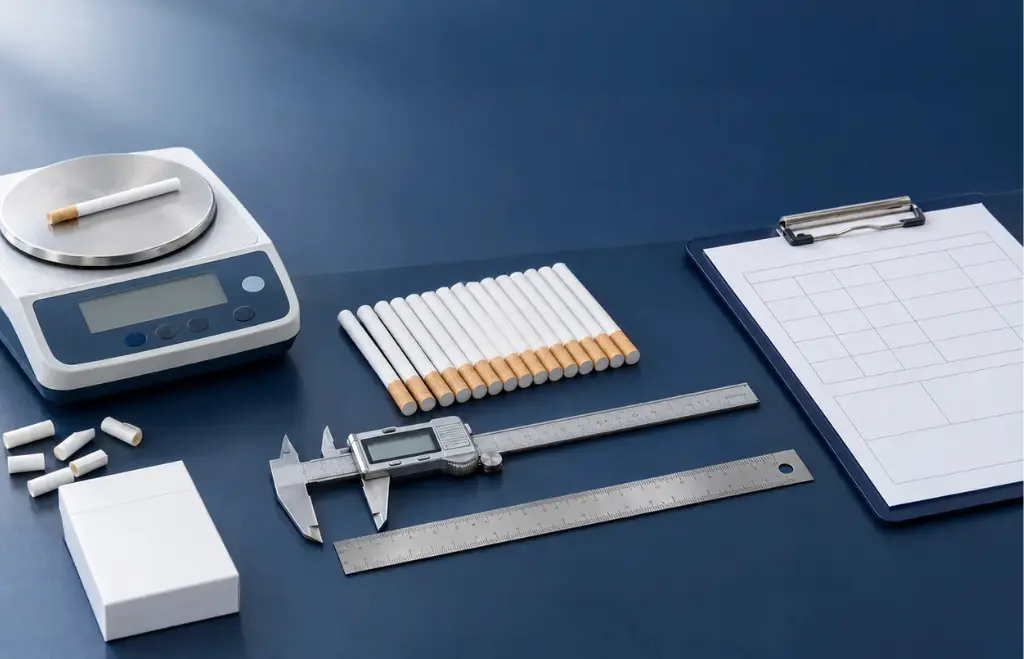
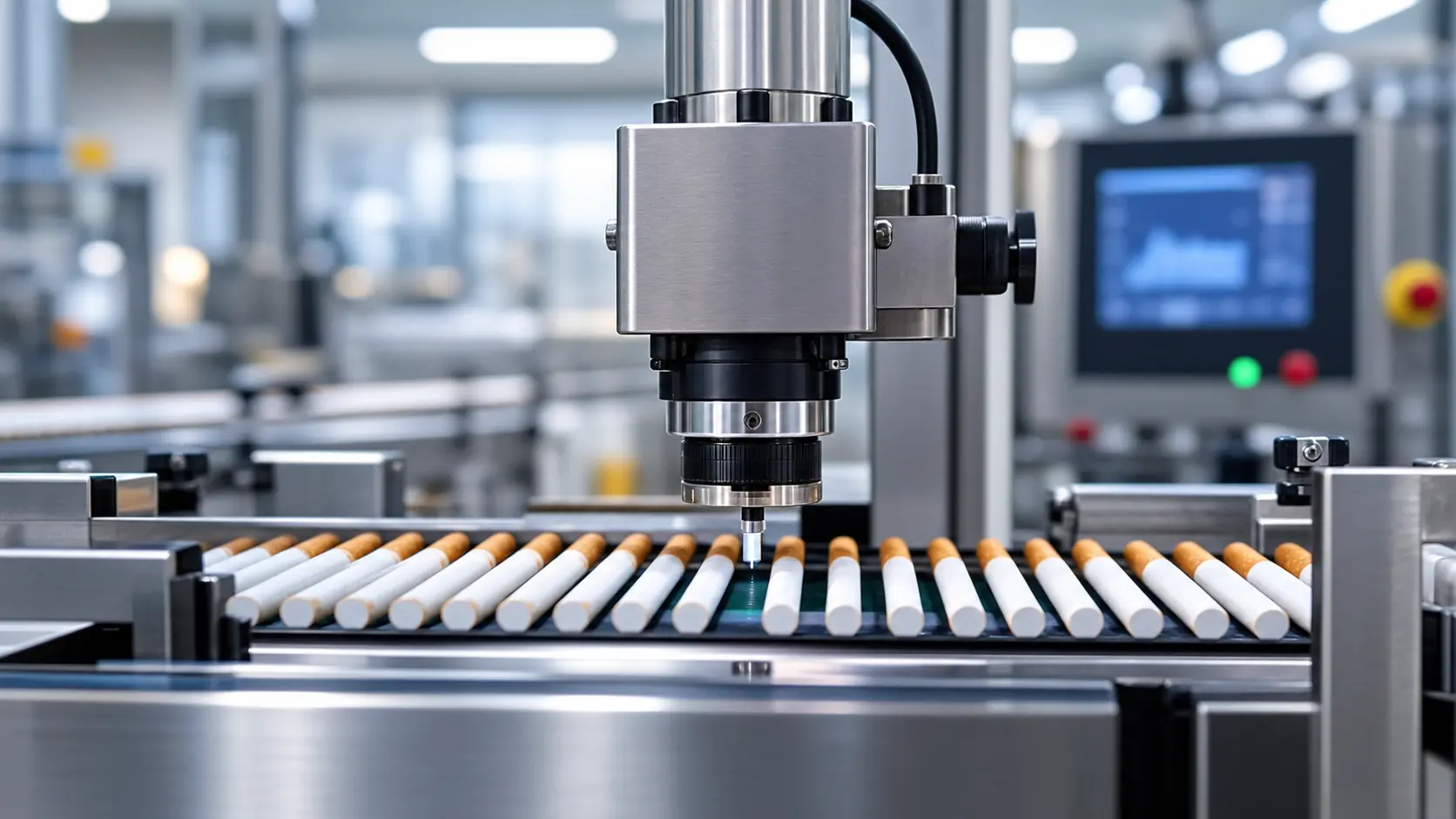
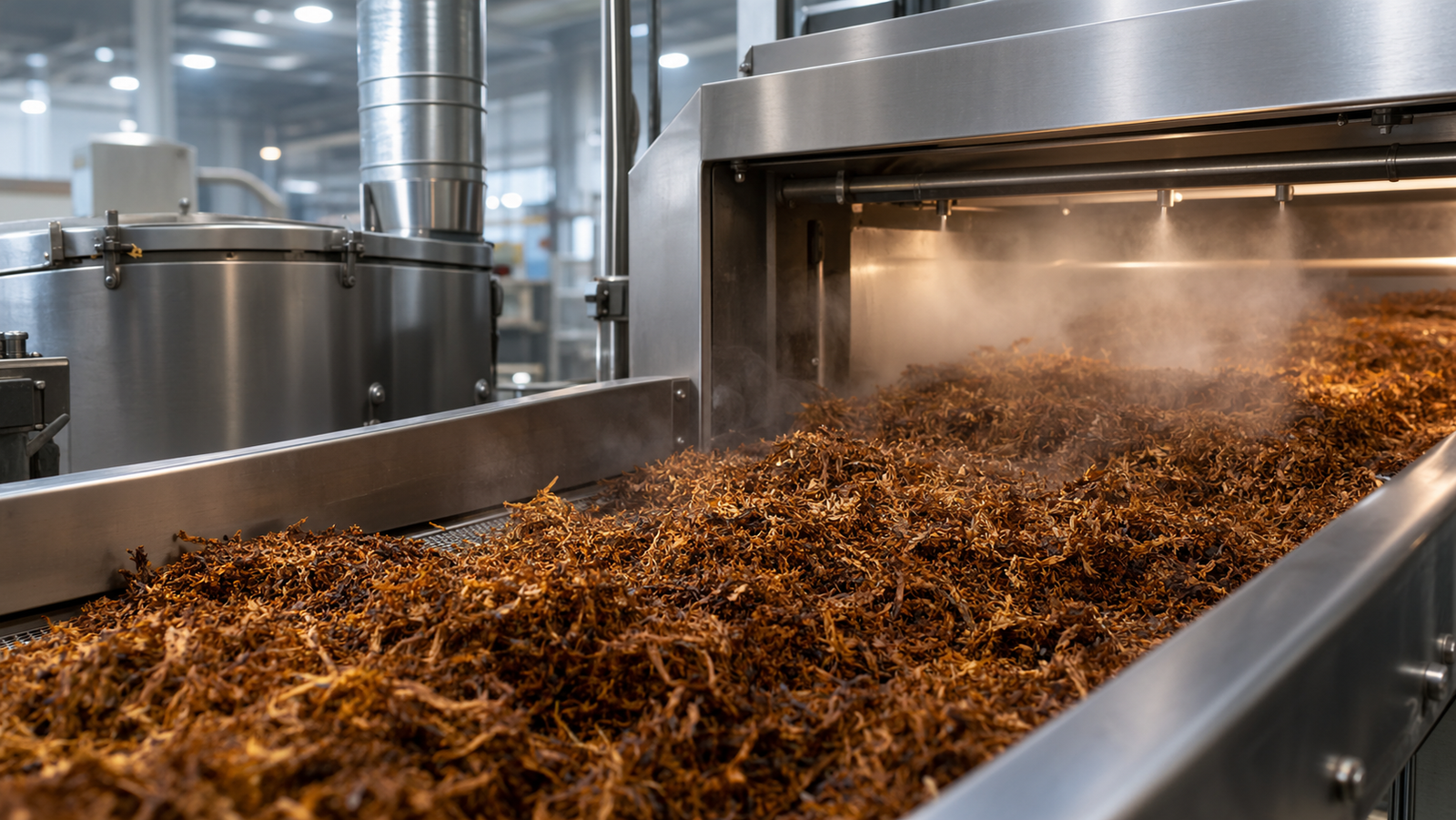
A brand lives or dies on the tenth order matching the first, so ask what is measured during production. A serious answer covers weight, diameter, draw resistance, hardness, ventilation and end integrity, all of which we break down in quality control in cigarette production. It should also cover how tobacco moisture is controlled, since moisture shapes how consistently a cigarette burns and draws, as explained in our guide to tobacco moisture control.
Finally, ask what documentation you would receive with a shipment, and whether a batch can be traced back if you ever need to compare one order with another.
7. Can they handle export documentation and shipping to Indonesia?
Ask for the full document set up front: commercial invoice, packing list, bill of lading and certificate of origin, plus whatever your importer needs for customs clearance. Our guide to cigarette import documentation explains how those papers fit together.
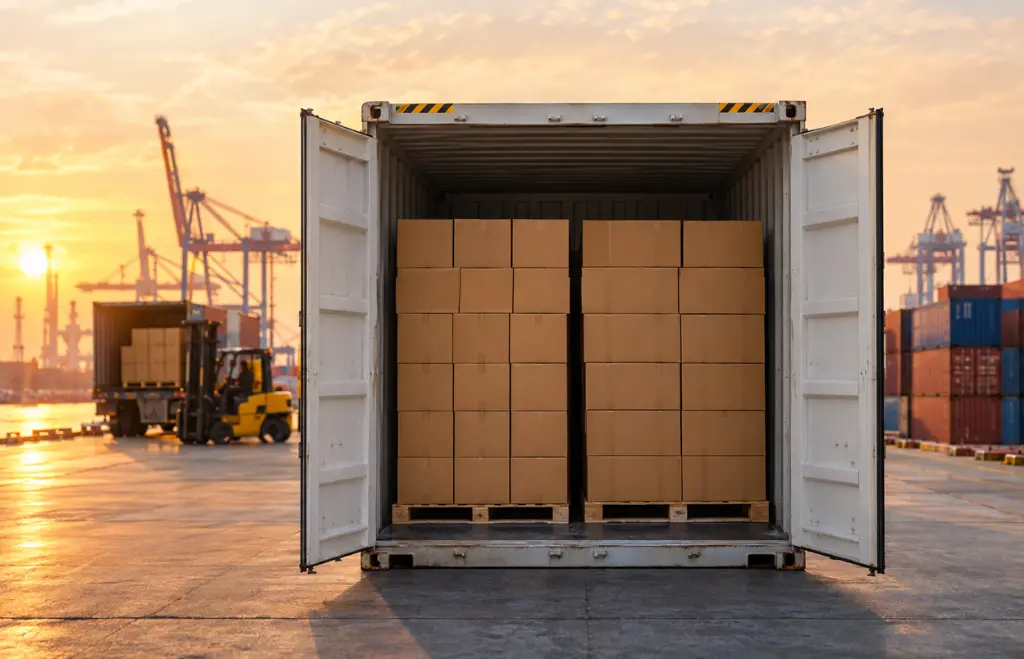
Then ask about container planning. How many master cases fit in a 20ft or 40ft container depends on the format, which we work through in how many cigarettes fit in a container, and a manufacturer who can answer that quickly has clearly done it before.
Finally, ask about route and timing. From Karachi, sea freight to Tanjung Priok typically takes 12 to 16 days, although sailings vary. There is a practical bonus too: Jakarta and Surabaya run on WIB, two hours ahead of Karachi, so working hours overlap comfortably for calls and approvals.
8. What are the confidentiality and order terms?
Before you share your brand name, artwork or blend preferences, ask for an NDA. Then get the minimum order quantity, payment terms and lead times in writing, and ask whether your specification stays confidential if the manufacturer also works with other brands. Our guide to cigarette MOQ covers how minimums are usually structured.
Quick Reference: The 8 Checks at a Glance
| Check | What to ask | A good answer looks like |
|---|---|---|
| Segment fit | Which category is the product built for? | A clear answer: white cigarettes (SPM) or kretek, with the format range listed |
| NPPBKC and excise specification | How do you work from my tariff classification and stamp order? | Specification is requested early, documented and signed off before production |
| Pack design | How are artwork versions controlled? | One approved file, with a defined change process |
| Sample approval | What is in the sample, and when does production start? | Production starts only after your written approval |
| Blend and format | Menu blend or custom blend? Is it exclusive? | Both routes explained, with the exclusivity terms stated |
| Quality control | What do you measure, and how often? | Named parameters, moisture control and batch records |
| Export and shipping | Which documents, which container, which route? | A full document list, container plan and a typical transit time |
| Confidentiality and terms | NDA, MOQ, payment and lead time? | NDA offered up front, with terms in writing |
How to Use This Checklist
Send the same eight questions, in writing, to two or three manufacturers and compare the answers side by side. The differences usually show up fast: some respond with specifics such as parameters, documents and terms, while others respond with general reassurance. Pay attention to how readily a manufacturer admits what it does not make. A supplier that tells you plainly that kretek is outside its range, or that your licence and stamp order must come from your side, is usually the one that understands how the Indonesian system works. Then ask each shortlisted manufacturer for a sample made to your specification before you decide, because a sample tells you more than any brochure.
From First Enquiry to Shipment: What the Process Looks Like
A well-run project follows a clear sequence, and knowing it helps you spot gaps in a manufacturer’s answers.
First, you confirm the segment and the formats you want. Second, your importer confirms the excise classification and stamp requirements with the customs authority. Third, you and the manufacturer agree the specification: blend, format, filter and pack. Fourth, a sample is produced and reviewed, with revisions if needed. Fifth, you approve the sample in writing, and it becomes the reference for production. Sixth, full production runs with quality checks throughout. Seventh, the export documents are prepared and the cartons are loaded into containers. Finally, the shipment sails to Tanjung Priok, typically in 12 to 16 days, and your importer clears it through customs.
Every step has an owner, and the projects that run into trouble are usually the ones where nobody was named for a step.
How General Tobacco Handles These Checks
General Tobacco Karachi has manufactured cigarettes since 1990 at its facility in the Karachi Export Processing Zone, producing 25M+ sticks a month for brands and businesses across 12+ countries. For Indonesia, our range is white cigarettes (SPM) in King Size, 100s, Slim, Super Slim and Nano, in hard pack and soft pack, produced to the specification your NPPBKC, tariff classification and stamp order require. Full production starts only after you approve a sample, an NDA is available on request, and shipments typically take 12 to 16 days from Karachi to Tanjung Priok.
We do not produce kretek, so if that is your segment we will tell you before you spend time on samples. To see how this works for your market, visit our page on cigarette manufacturing for Indonesia, or discuss an OEM or private label project with our team.
Frequently Asked Questions
Do I need an NPPBKC to import cigarettes into Indonesia?
Importers of tobacco products need an NPPBKC, the excise licence issued by Bea Cukai. The application requirements include an Indonesian tax number, a company deed and a trade importer licence, so the licence is held by the importing business.
Can a foreign manufacturer apply for the NPPBKC on my behalf?
Not in the usual sense. The licence belongs to a locally registered importer, so your importing entity applies for it. The manufacturer’s role is to produce to the specification the licence, tariff classification and stamp order describe.
Who orders the pita cukai (excise stamps)?
Licensed importers and factories order excise stamps through the customs authority. The manufacturer prepares the product and pack to match what the stamp order and tariff classification cover.
Is a white cigarette (SPM) the same as a kretek?
No. Kretek contains clove, while SPM is a machine-made white cigarette without it. They are different product categories, so a manufacturer’s range needs to match the one you intend to sell.
What is maklon?
Maklon is the Indonesian term for contract manufacturing, usually carried out by a licensed local factory. Buyers who source from overseas use private label or OEM arrangements instead.
How long does shipping from Pakistan to Indonesia take?
Sea freight from Karachi to Tanjung Priok typically takes 12 to 16 days, although the exact time depends on the sailing.
Can I approve a sample before full production?
Yes. A reliable manufacturer produces a sample first and starts full production only after you approve it in writing.