Cigarette production quality checks commonly cover tobacco moisture, cigarette weight, dimensions, draw resistance, hardness, ventilation, appearance, filter and tipping integrity, loose tobacco, and other product-specific specifications. The exact numbers behind each of these vary by product, but the checks themselves happen throughout the entire manufacturing process, not as a single inspection tacked onto the end of the line.
That distinction matters more than it might seem. It’s easy to picture quality control as a final checkpoint, someone at the end of the conveyor belt pulling a sample and giving it a nod. In practice, a modern cigarette production line is closer to a continuous feedback loop: raw materials are checked before they’re used, conditions are monitored while cigarettes are actually being made, and the finished product is inspected again before it’s packed. Each of those stages exists because a defect caught early is cheap to fix, and one caught late means an entire batch might already be compromised.
Why Quality Control Matters in Cigarette Production
The reason manufacturers invest this heavily in monitoring isn’t abstract. Product consistency between batches is what allows a brand owner to trust that the cigarettes they approved as a sample will match what arrives in a full production order, weeks or months later. Manufacturing stability keeps machines running at speed without unplanned stoppages caused by material defects. Reliable packaging performance depends on cigarettes that are dimensionally consistent enough to feed correctly into packing machines without jamming. And reducing defects at the production stage means less waste, fewer rejected batches, and a more predictable cost structure for everyone involved.
It’s worth being direct about scope here too. This is a conversation about manufacturing quality and consistency, the physical, measurable characteristics that determine whether a cigarette performs the way it’s supposed to. It isn’t a conversation about health outcomes, and the checks described below have nothing to do with that question one way or another.
When Are Cigarettes Checked During Production?
Quality control checkpoints follow the product through the entire manufacturing journey, and it helps to think of them in three distinct stages.
Before Production
Long before a cigarette takes shape, the raw materials that will become it are already being checked. Incoming tobacco is assessed for moisture condition and quality. Cigarette paper is checked for consistency. Filter rods are inspected before they ever reach a filter attachment machine. Packaging components, foil, cartons, overwrap, are checked against specification too. The logic here is simple: if a raw material is already out of spec, no amount of careful production downstream is going to fix it.
During Production
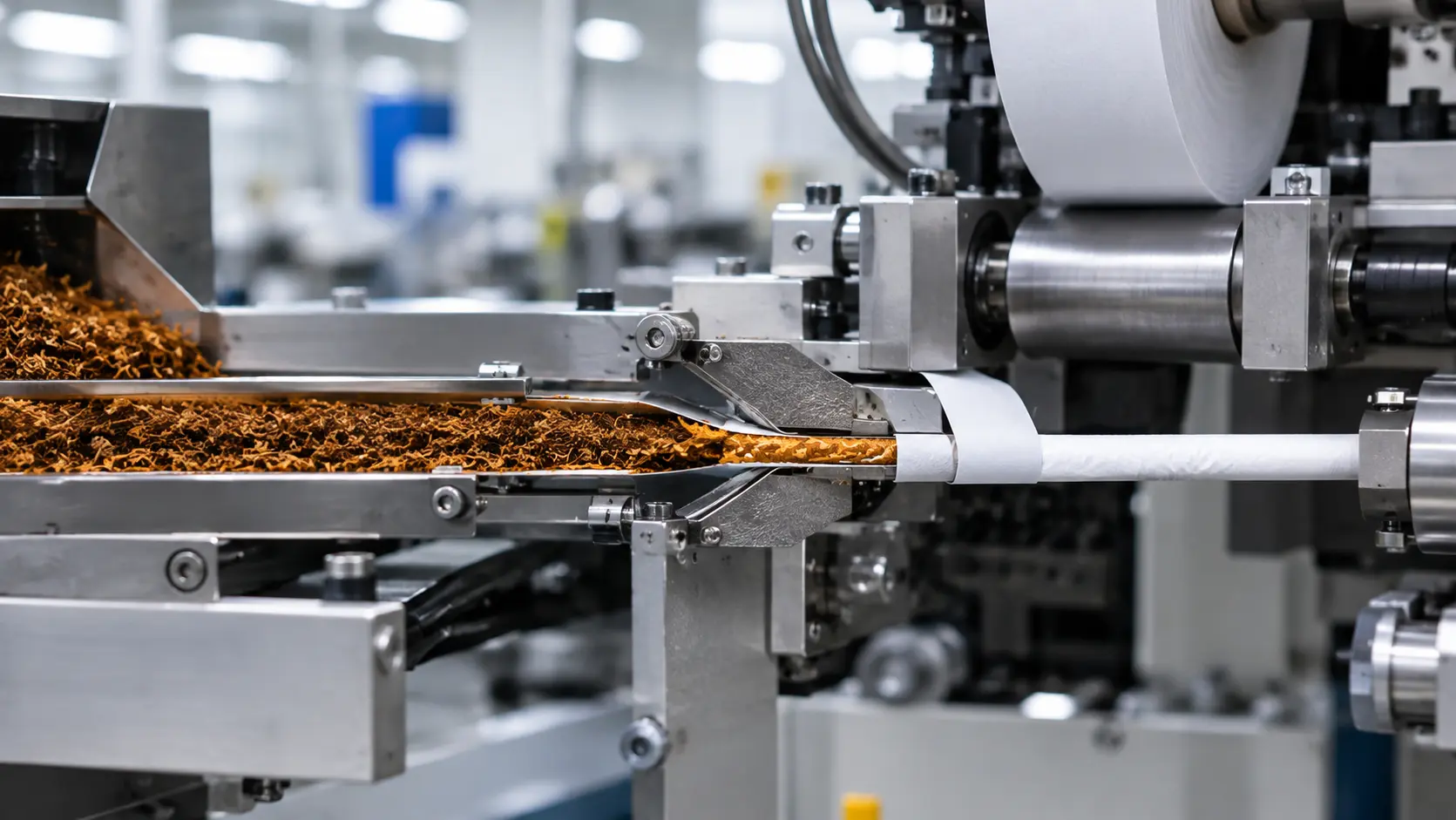
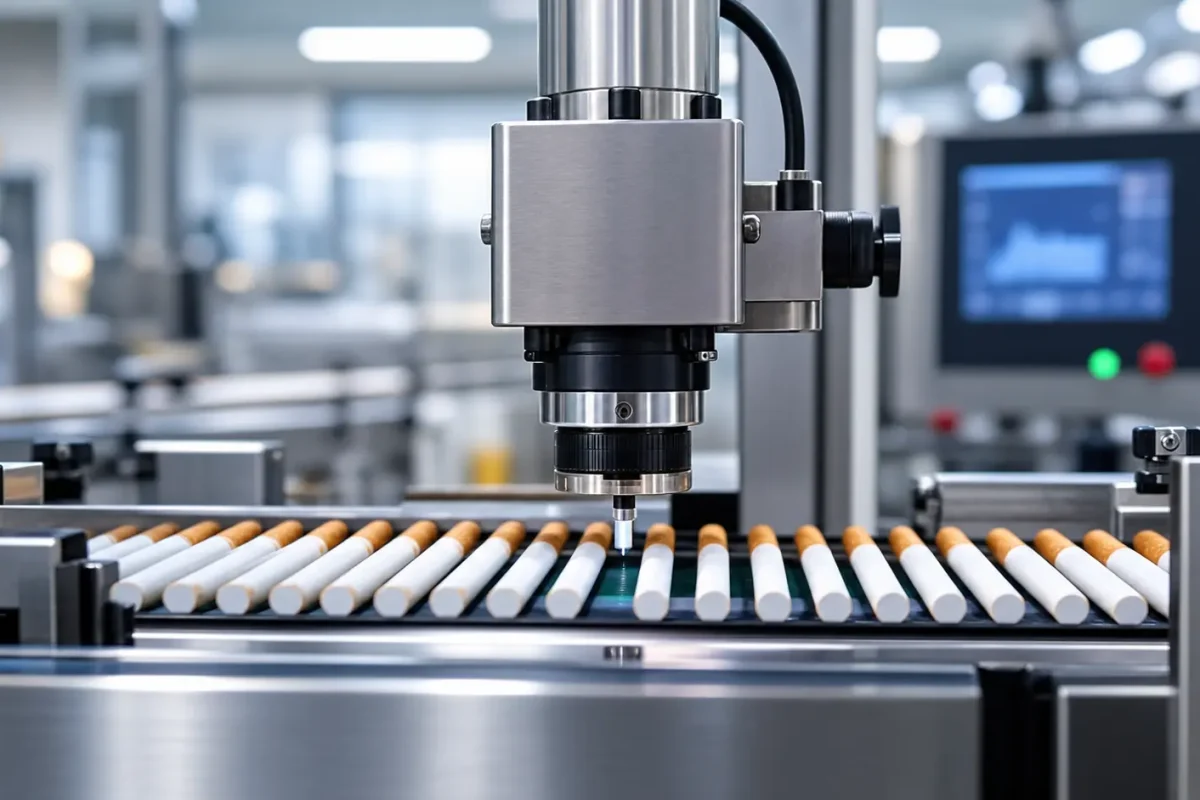
Once tobacco is actually moving through the line, being formed into rods, wrapped, cut, and fitted with filters, a different set of checks kicks in. Weight, dimensions, draw resistance, hardness, ventilation, moisture, and general appearance are all monitored continuously or at high frequency while the machine runs. This isn’t a periodic pause in production, it happens in parallel with manufacturing itself, which is part of why so much of it is now automated rather than manual.
Finished Product Inspection
After a cigarette is fully formed, filtered, and ready for packing, it goes through one more round of scrutiny. Appearance, filter attachment, paper and tipping condition, dimensional consistency, and packaging integrity are all checked again, this time as a final confirmation that the finished batch actually conforms to what was specified before it ships.
Together, these three stages form a workflow: raw materials, in-process monitoring, and finished-product inspection, rather than a single inspection point. That’s the difference between “checking quality” and actually controlling it.
What Quality Checks Are Performed on Cigarettes?
1. Cigarette Weight
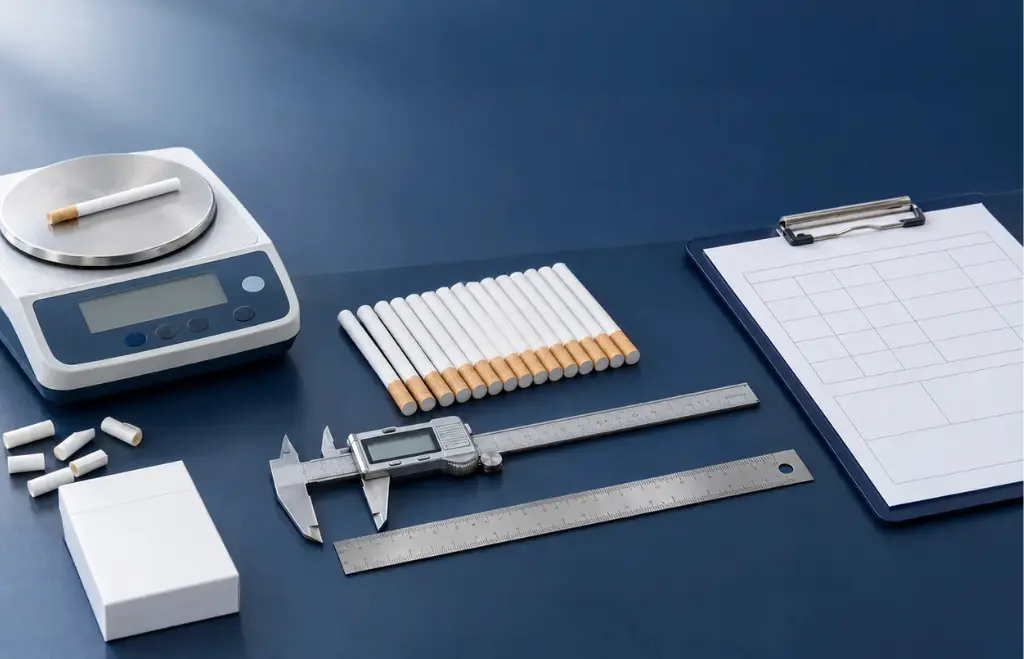
Weight might sound like the simplest parameter on this list, but it has an outsized effect on everything downstream. The weight of the tobacco and filter rod affects how the cigarette fills, how it packs, how well it seals, and ultimately the yield and cost of the entire production run. A cigarette that’s underweight might burn differently and feel inconsistent to a smoker; one that’s overweight wastes tobacco and can throw off packing machinery calibrated for a specific weight range. Multi-parameter test stations, like Körber’s Sodiqube, are built specifically to measure weight alongside several other characteristics in the same pass, rather than treating it as a separate check. There’s no single “correct” weight that applies across every cigarette, the right figure depends entirely on the product’s own specification, its format, blend, and intended market.
2. Moisture Content
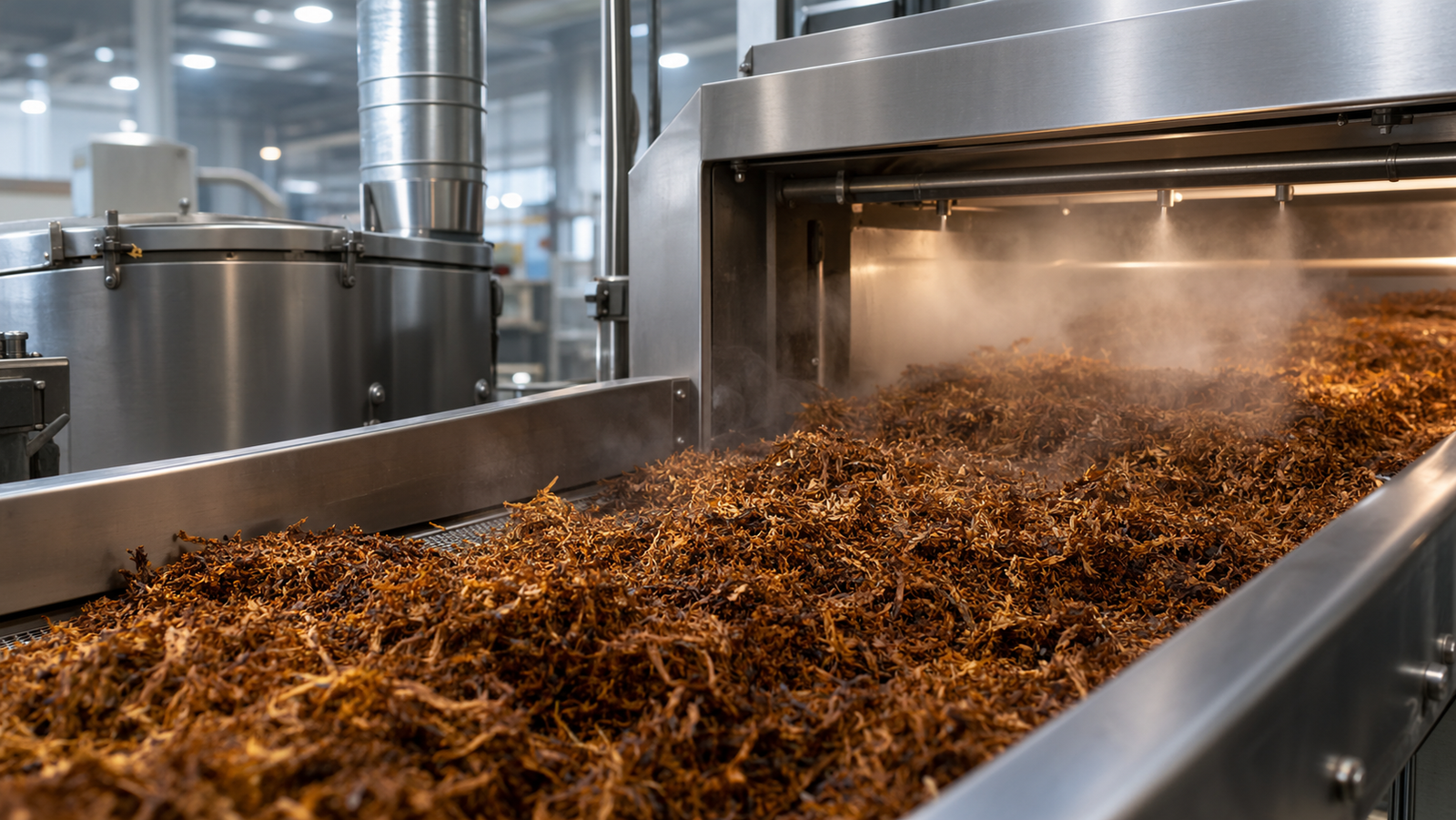
Moisture deserves more attention than most quality parameters, because tobacco is hygroscopic, meaning it’s constantly absorbing or releasing moisture depending on the humidity and temperature of the air around it. That sensitivity doesn’t stop once tobacco reaches the factory floor. It affects how tobacco handles during processing, how well cigarette paper feeds through machinery, the accuracy of cigarette weight, and the overall stability of the finished product on the shelf. Because of this constant back-and-forth with the surrounding environment, moisture isn’t checked once and forgotten, it’s monitored in raw tobacco before production starts and tracked throughout the manufacturing environment itself, since a shift in floor humidity can undo careful conditioning done earlier in the process.
3. Cigarette Dimensions
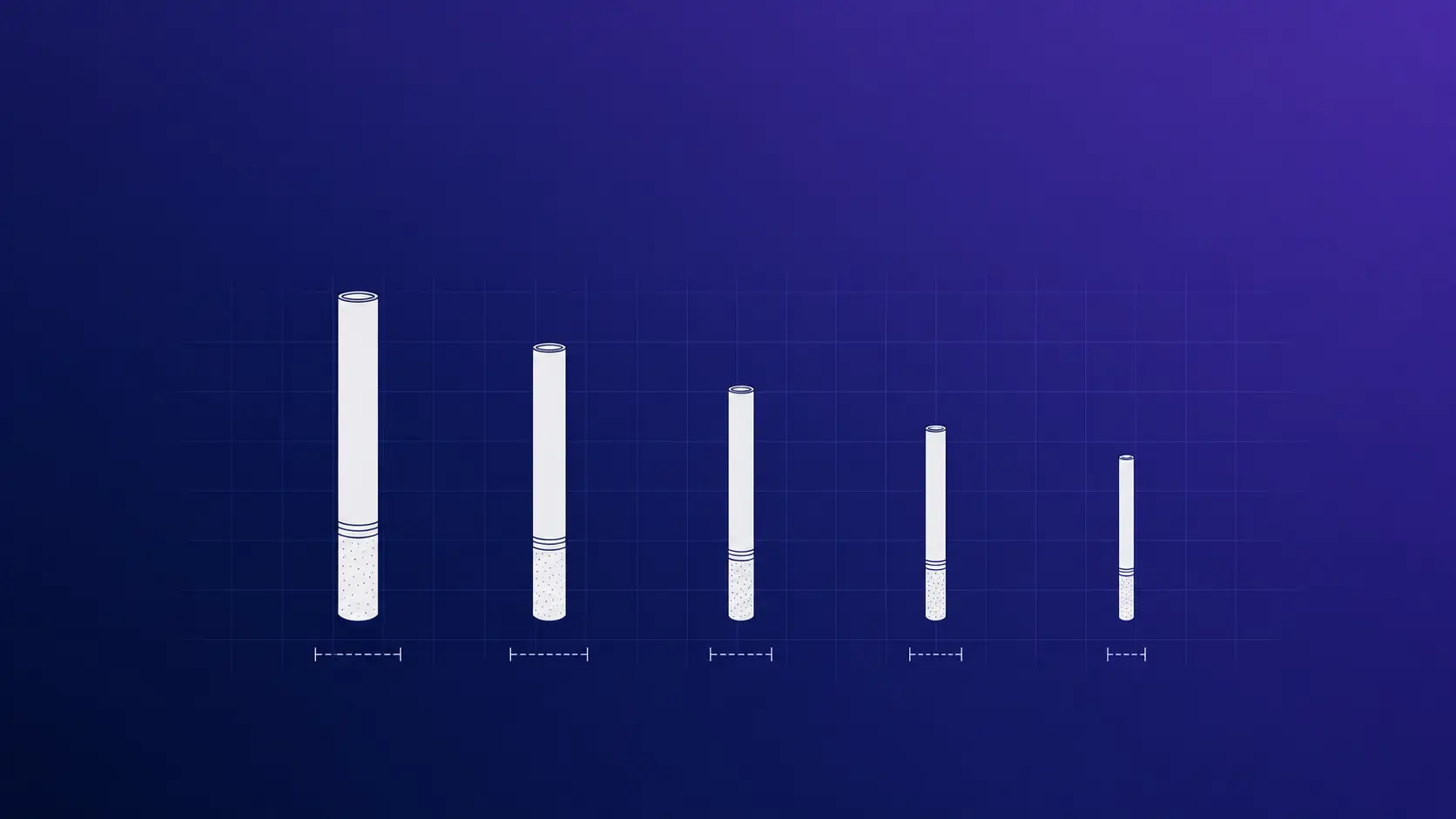
Length, diameter, and circumference all need to stay within tight tolerances, and for good reason: dimensional consistency is what allows cigarettes to feed correctly through filter attachment and packing machines without jamming or misaligning. Instruments like Körber’s S10 size tester measure diameter, circumference, and ovality to the ISO 2971 standard, while dedicated diameter instruments such as the HAUNI SMI-D focus specifically on that one measurement. As with weight, there’s no universal correct dimension, a King Size cigarette and a Super Slim are built to entirely different diameter specifications, and each is checked against its own target, not a shared industry number.
4. Draw Resistance
Draw resistance, sometimes called pressure drop, measures how much resistance a smoker encounters when drawing air through the cigarette, essentially the difference in air pressure between the lit end and the mouth end. It’s tested using dedicated pressure drop testers, Körber’s A11-2 is one example, built to the ISO 6565 standard specifically for this measurement. Draw resistance isn’t just a comfort factor either; excessive variation in it can point to underlying problems elsewhere in the process, inconsistent tobacco density, an issue with how the rod was constructed, a filter that doesn’t match specification, or a ventilation feature that isn’t performing as designed. In that sense, draw resistance often acts as an early warning sign for problems that originate somewhere else in the line.
5. Cigarette Hardness
Hardness refers to the physical firmness and compaction of the tobacco rod itself, essentially how tightly and evenly the tobacco has been packed during formation. It’s monitored because inconsistent hardness usually traces back to variation in how the rod was filled or formed, which connects directly to the compression stage of rod formation. A rod that’s too loose can lose tobacco through the ends or burn unevenly; one that’s too tightly packed can restrict airflow and change how the cigarette draws. Hardness is typically measured alongside weight, pressure drop, and dimensions in the same multi-parameter test stations used for those other checks, rather than as a standalone process.
6. Ventilation
Ventilation refers to the engineered airflow built into a cigarette’s filter or paper, and like the other physical parameters, it’s measurable and specific to each product design. It can be affected by filter construction, tipping paper properties, and the settings used during production itself. Ventilation is checked as part of the same standard multi-parameter testing that covers weight, diameter, and pressure drop, which makes sense given how closely all of these characteristics interact with one another in a finished cigarette.
7. Loose Tobacco and End Integrity
This is one of the more concrete, tangible checks in the whole process. Inspection here looks at whether tobacco is escaping from either end of the cigarette, and whether the ends themselves remain properly formed and sealed. Dedicated instruments, Körber’s E44 is a specific example, are built to test the stability of both plain and filter cigarette ends under mechanical stress. This matters because a cigarette with poor end stability doesn’t just look worse, it’s more likely to break, crack, or shed tobacco during the ordinary handling and transport that happens between the factory and the retail shelf.
8. Paper, Filter and Tipping Integrity
The final layer of physical inspection covers the cigarette’s paper, filter, and tipping, checking seams, alignment, attachment quality, and printing. One long-standing, specific method here is the heat lamp test, used to identify oil spots on the cigarette’s surface, a defect that’s otherwise easy to miss with the naked eye under normal lighting. Industry inspection systems more broadly are built to catch a whole range of surface and structural defects: torn tipping paper, tobacco visible under the rod seam, damaged ends, and filters that are missing or poorly attached, all of which need to be caught before a cigarette ever reaches the packing stage.
How Automated Inspection Helps Maintain Quality
The way these checks actually get performed has changed significantly over the years. Quality checking used to rely on a skilled operator manually pulling a sample at regular intervals and testing it by hand, checking surface quality, print alignment, tipping paper position, and making adjustments to the machine based on what they found. That approach worked, but it was slow, labor-intensive, and increasingly unable to keep pace as cigarette-making machines got faster.
Modern production lines have largely shifted toward continuous, automated inspection instead. Machine vision systems using line-scan cameras can now inspect nearly the entire circumference of every single cigarette in real time, comparing each one against a reference image to catch defects like obstructed ventilation holes, poorly gummed edges, or misaligned printing, at speeds no human inspector could realistically match.
The newest development in this space is machine learning-based defect detection. Research published in 2026 has explored using image segmentation models to identify manufacturing defects with more precision and adaptability than traditional optical inspection systems allow. This is still an evolving area rather than a settled industry standard, but it points clearly to where inspection technology is headed: faster, more precise, and increasingly able to catch subtle defects that older systems might miss entirely.
What Happens When a Cigarette Fails a Quality Check?
When a measurement falls outside its specified range, there’s a general workflow most manufacturers follow, even if the specific procedures vary from one facility to another. The affected product or sample is identified first. Production conditions around that point in the run are investigated to understand what caused the deviation. Equipment or process parameters may be adjusted if the issue traces back to a machine setting. Additional samples are typically checked to confirm whether the problem is isolated or ongoing. And nonconforming product is segregated or rejected according to the manufacturer’s own quality procedures, rather than allowed to continue downstream.
How Manufacturers Maintain Consistency Between Production Batches
Getting one batch right is one thing. Getting every batch right, consistently, over months or years of production, depends on several things working together rather than any single safeguard. Clear, well-documented product specifications give everyone on the floor the same target to work toward. Consistent raw materials reduce the number of variables that can shift between batches. Ongoing process and equipment monitoring catches drift before it becomes a defect. Controlled production floor conditions, particularly humidity, keep moisture-sensitive materials behaving predictably. Regular sampling and laboratory testing provide an independent check beyond what’s caught on the line itself. And production records that allow one batch to be compared against another give a manufacturer the ability to spot patterns over time, not just react to isolated incidents. Quality in cigarette manufacturing is shaped both by what happens upstream, before tobacco ever reaches the production floor, and by the quality control activities that happen during manufacturing itself, and neither half of that equation works well without the other.
Are Cigarette Quality Checks the Same for Every Product?
No, and this is worth being explicit about. Specifications vary according to cigarette format, product design, tobacco blend, filter construction, packaging format, target market, and applicable regulations. A King Size cigarette destined for one market and a Super Slim built for another aren’t measured against the same weight, diameter, or moisture targets, because they aren’t the same product. There’s no single universal table of “correct” values that applies across the board, every parameter is checked against the specification that particular product was built to meet.
Quality Check Summary
| Quality Check | What It Evaluates | When It May Be Checked |
|---|---|---|
| Weight | Tobacco/product consistency | During production & finished-product testing |
| Moisture | Tobacco moisture condition | Raw material & production |
| Length | Cigarette dimensions | In-process / finished product |
| Diameter/Circumference | Dimensional consistency | In-process / finished product |
| Draw Resistance | Airflow resistance | In-process / finished product |
| Hardness | Physical firmness | In-process / finished product |
| Ventilation | Airflow through ventilation features | Product testing |
| End Integrity | Loose tobacco / end condition | Production inspection |
| Filter/Tipping | Attachment and alignment | Production / visual inspection |
| Appearance | Visible defects and construction | In-process / final inspection |
| Packaging | Pack integrity and presentation | Packaging / final inspection |
What International Buyers Should Ask About Quality Control
If you’re evaluating a manufacturing partner rather than just reading about the process out of curiosity, these checks translate into a fairly concrete set of questions worth asking directly. What product specifications are actually controlled, and are they documented? How is consistency monitored across an entire production run, not just in the sample batch you approved beforehand? What in-process inspections happen while cigarettes are being made, as opposed to only at the very end? How are finished batches checked before they ship? What happens procedurally when a nonconforming product is identified? What documentation is kept, and would you be able to see it if you asked? Which tests are performed in-house, and which, if any, require sending samples to an external laboratory?
These aren’t abstract questions. They apply directly to how cigarette manufacturing, OEM production, and private label manufacturing arrangements actually work day to day. A manufacturer that can answer them clearly, with specifics rather than reassurance, is one worth trusting with a full production order, not just the sample that gets you comfortable enough to place it.