Most cigarette brand owners spend more time choosing their brand name than they spend evaluating their manufacturer, and then discover six months in that the manufacturer they picked is the actual problem. Inconsistent batches, missed delivery windows, artwork that looked fine on screen and terrible on shelf, health warning text that wasn’t compliant for their destination market.
Choosing a cigarette manufacturer is not a procurement decision you can reverse cheaply. Your manufacturer controls product quality, production timeline, export compliance and ultimately whether your brand has anything to sell. Getting this right before you place your first order matters more than most buyers realize until after they’ve placed it with the wrong partner.
This guide covers what to actually check, not just what sounds good in a supplier’s profile.
What You Are Actually Evaluating
When you contact a cigarette manufacturer you are not just buying a product. You are entering a production relationship that affects every subsequent decision your brand makes, reorders, new formats, new markets. The right question is not “can they make cigarettes”, every manufacturer can make cigarettes. The right question is whether this specific manufacturer can make your cigarettes consistently, to your specification, on a timeline that works for your market, and handle the export side without creating compliance problems at customs.
Those are four separate things to verify, and most buyers check maybe one of them before committing.
Experience That Actually Matters
Years in business is the most commonly cited credential and the least useful number on its own. A manufacturer that has been operating for 30 years making cigarettes for one domestic market has very different relevant experience from one that has been exporting to 12 international markets for the same period.
What you actually want to know:
Have they exported to your specific target market before?
Not “we export internationally” your market specifically. Health warning requirements, tax stamp placement, import duty documentation and customs procedures differ significantly between USA, Europe, Middle East and Africa. A manufacturer who has never shipped to your country before is learning those requirements on your order.
How long have their existing international clients been with them?
New clients can be won by anyone. Long-term clients are kept by consistent quality and reliable delivery. Ask how many of their current clients have been ordering for more than two years, that number tells you more than any credential they list on their website.
What formats and pack types have they actually produced?
Not what they claim to offer, what they have active production lines running for. A manufacturer who produces Hard Pack Round Corner daily is a different proposition from one who theoretically can produce Super Slims but has never run a commercial batch.
Production Capability: What to Look For Beyond the Marketing
Most manufacturers describe their facility in the same terms, modern machinery, high capacity, strict quality control. None of that is verifiable from a brochure. Here is what to dig into instead:
What machinery are they actually running?
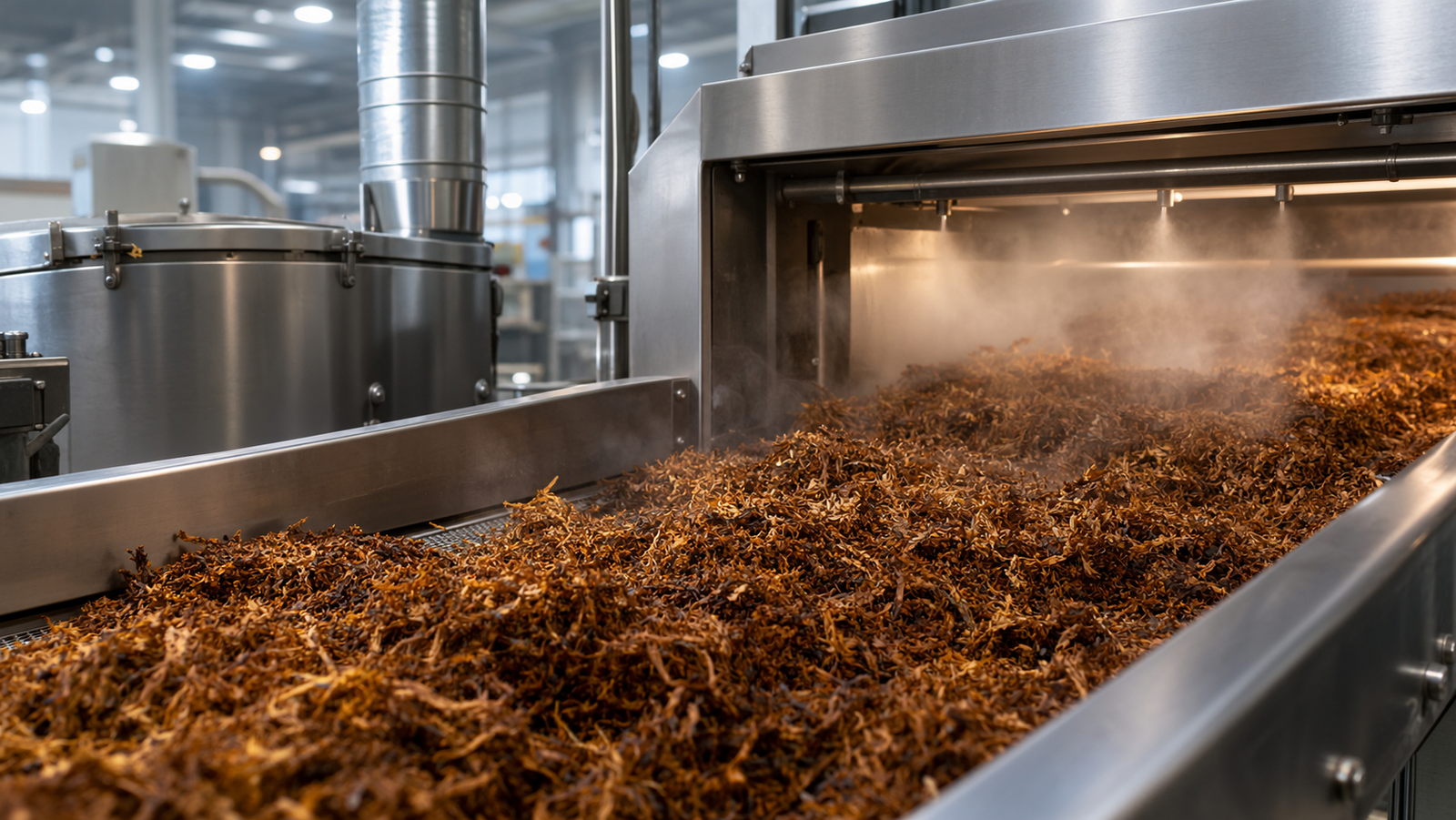
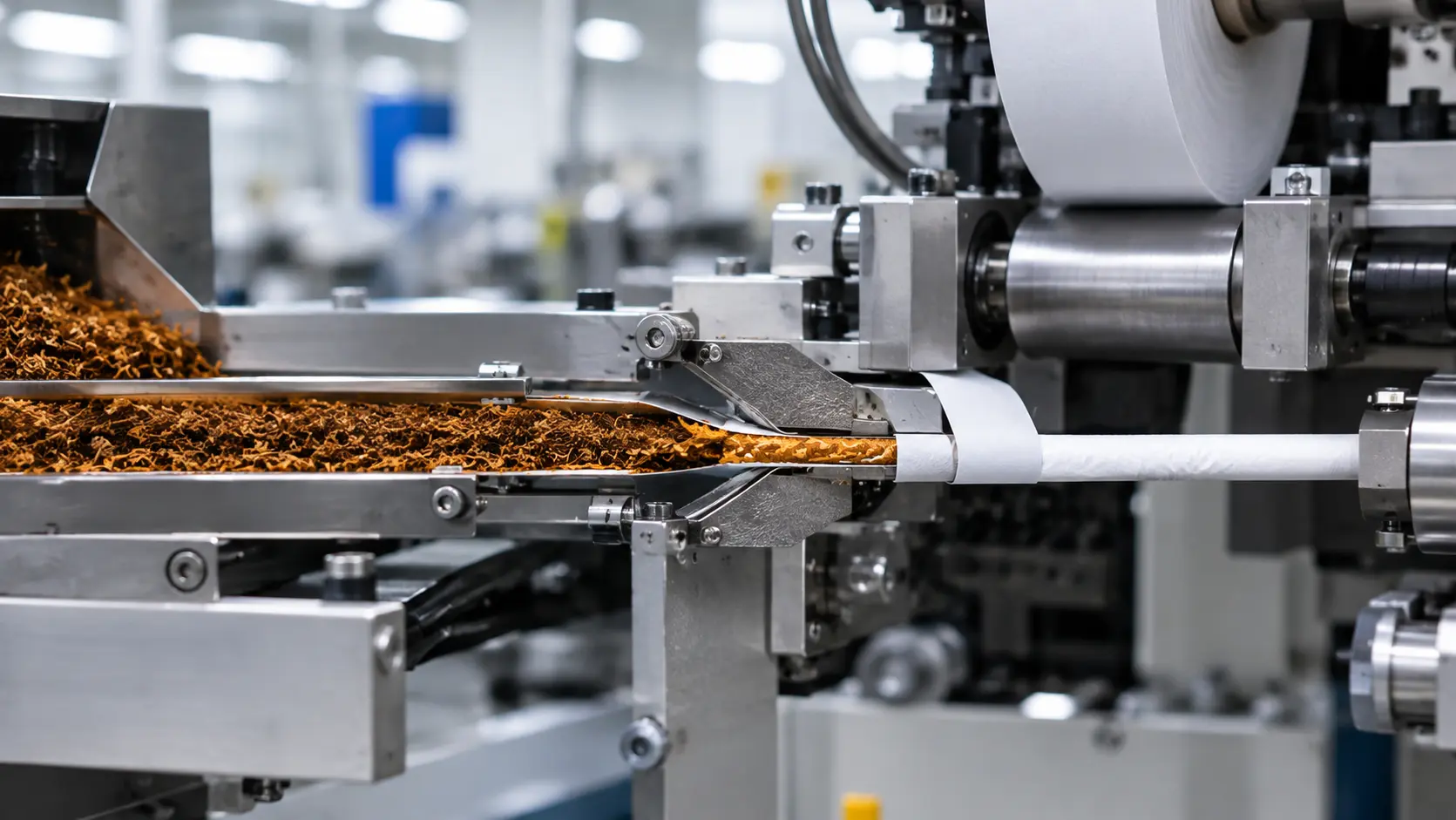
Internationally recognized cigarette making and packing equipment, Hauni, Molins, Sasib, MK-9, HLP, is not interchangeable. The machinery determines the pack formats available, the production speed, and the consistency of the finished product. Ask specifically what they run, not what they have access to in theory.
What is their sample approval process?
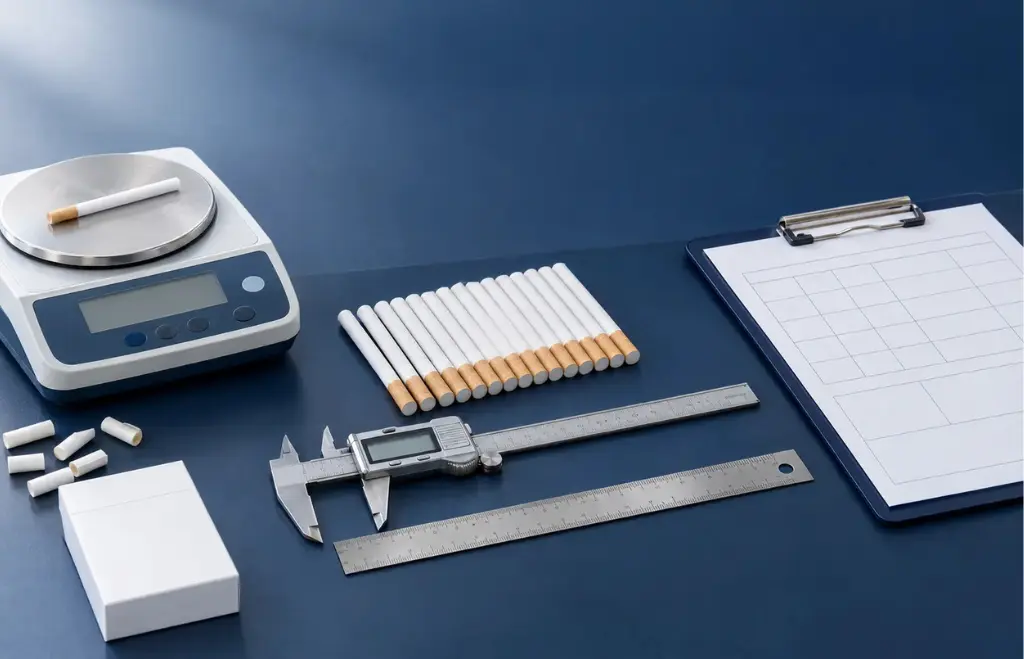
Any manufacturer worth working with runs a sample batch before full production, and that sample goes to you for approval before the production run starts. If a manufacturer skips this step or treats it as optional, that tells you something about how they handle quality control on commercial batches.
What happens when a batch fails quality checks?
This is the question most buyers never think to ask. Every production facility has batches that don’t meet spec. What matters is what the manufacturer does about it, do they catch it internally before it ships, or does it become your problem after delivery? Ask for their documented quality control procedure, not just a verbal assurance.
Confidentiality: More Important Than Most Buyers Assume
If you are launching a private label brand or bringing your own blend for OEM manufacturing, your tobacco blend recipe, packaging artwork and brand identity are the core assets of your business. Sharing those with a manufacturer who doesn’t protect them properly, or who manufactures for your direct competitors without disclosure, is a real commercial risk.
What to establish before you share anything:
Will they sign an NDA before you share brand or blend details?
A reputable manufacturer signs this without hesitation and without making it feel like an unusual request. Reluctance here is a flag worth taking seriously.
Do they manufacture for competing brands in the same market?
This is worth asking directly. Some manufacturers will tell you. Others won’t, but how they respond to the question tells you something about how they think about client confidentiality in general.
What is their policy on sharing client information with third parties?
Specifically relevant if you are working with a trading company as an intermediary, make sure you know whether your brand details are being shared further down the chain without your knowledge.
Export Compliance: The Part Most Buyers Skip Until It Causes a Problem
Cigarette export compliance is not generic. Every destination market has specific requirements for health warning text, placement and size, tax stamp type and position, and import documentation. Getting any of these wrong means your shipment either doesn’t clear customs or arrives non-compliant for retail, both of which cost you time and money to resolve.
Questions to ask any potential manufacturer:
Do they prepare export documentation specific to your destination, or do they use a standard template?
Standard templates are not compliant for every market. Destination-specific documentation is what you need.
Who is responsible if a shipment is held at customs due to a documentation error?
Get this in writing before you place an order. The answer tells you how the manufacturer thinks about their responsibility versus yours.
Pricing: What Competitive Actually Means
The cheapest quote is not always the right one and the most expensive is not always the safest. What you are looking for is pricing that is consistent with the quality level and export capability you’ve verified through the questions above.
A few things worth knowing about cigarette manufacturing pricing:
MOQ affects unit pricing significantly.
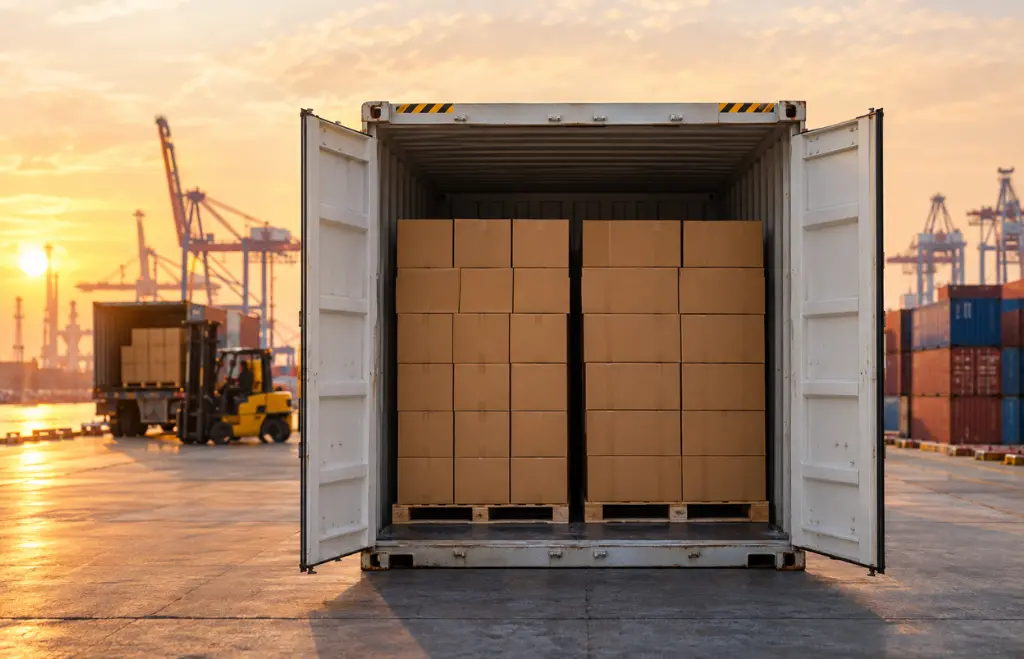
Minimum order quantities for cigarette manufacturing are typically structured around container loads, 1,050 master cartons in a 40′ High Cube is a standard starting point, representing 10,000,000 cigarettes. Pricing per unit drops at higher volumes, but the minimum commitment is real. Factor it into your market entry budget before you get to pricing conversations.
Location of the manufacturer affects your landed cost, not just the ex-factory price.
A manufacturer based in an Export Processing Zone has structural cost advantages, duty-free raw material imports, streamlined customs, that reduce ex-factory price versus a non-EPZ manufacturer. But shipping distance to your market also affects total landed cost. A manufacturer in Pakistan ships to Middle East and Africa faster and cheaper than one in Eastern Europe, that difference is part of the real cost comparison.
Payment terms matter as much as unit price for cash flow.
Standard terms in cigarette manufacturing typically involve a deposit before production and balance before shipment. Some manufacturers offer letter of credit terms for established clients. Understand the payment structure before you compare quotes, the same unit price with different payment timing has a different impact on your working capital.
Red Flags Worth Walking Away From
These are not theoretical, they come up regularly in how buyers describe manufacturers they’ve had problems with:
- Reluctance to sign an NDA before you share brand or blend details
- No sample approval step before full production
- Vague answers about which specific markets they’ve exported to
- Inability to show you what machinery they actually run
- No documented quality control process, just verbal assurances
- Unusually low pricing with no clear explanation of why
- Slow or unclear communication at the enquiry stage, this gets worse after you’ve paid a deposit, not better
- No references from clients in markets similar to yours
None of these individually means the manufacturer is bad. Several of them together means you should keep looking.
Why General Tobacco
General Tobacco has been manufacturing cigarettes for international clients since 1990, private label, OEM, contract manufacturing and custom packaging across USA, Europe, Middle East, Africa and Asia.
If you are at the stage of evaluating manufacturers, here is what’s worth knowing about how we work:
- Sample approval is built into every order, full production only starts after you’ve confirmed the sample
- NDAs are signed on request without it being treated as an unusual ask
- Export documentation is prepared destination-specific, not from a standard template
- We’ll tell you directly if a format or timeline isn’t realistic for what you’re planning, before you place an order, not after
If you want to talk through what you’re planning before committing to anything, that conversation is free and comes with no obligation to proceed.